

Sustainability · 2025
In this section59 topics
- Sustainability Policy & Goals — Overview1 item
- Sustainability Policy3 items
- Sustainability Goals & UN SDGs4 items
- Policy Review4 items
- Business Value Chain1 item
- Stakeholder Analysis2 items
- Environmental Sustainability — Overview1 item
- Environmental Policy & Guidelines3 items
- Environmental Policy Review3 items
- Energy Management — Overview1 item
- Energy — Plan & Guidelines3 items
- Energy — Electricity Consumption2 items
- Energy — Fuel Consumption1 item
- Energy — Targets2 items
- Energy — Performance & Outcomes2 items
- Water Management — Overview1 item
- Water — Plan & Guidelines2 items
- Water — Withdrawal, Discharge & Consumption2 items
- Water — Targets2 items
- Water — Performance & Outcomes2 items
- Waste Management — Overview1 item
- Waste — Plan & Guidelines2 items
- Waste — Generation, Disposal & Recycling1 item
- Waste — Targets2 items
- Waste — Performance & Outcomes3 items
- Greenhouse Gas — Overview1 item
- GHG — Plan & Guidelines2 items
- GHG — Emissions1 item
- GHG — Emissions Verification2 items
- GHG — Principles & Standards2 items
- GHG — Targets2 items
- GHG Targets — Net Zero1 item
- GHG Targets — Other Targets2 items
- GHG — Performance & Outcomes2 items
- Environmental Legal Incidents2 items
- Other Environmental Management1 item
- Social Policy & Guidelines3 items
- Social Policy Review4 items
- Social — Principles & Standards Practised2 items
- Human Rights Due Diligence2 items
- Employee Management — Overview1 item
- Employees — Plan & Guidelines3 items
- Employees — Workforce3 items
- Employees — Remuneration & Provident Fund1 item
- Employees — Training & Development1 item
- Employees — Occupational Health & Safety1 item
- Employees — Labour Relations1 item
- Employees — Employee Representation3 items
- Employees — Targets2 items
- Employees — Performance & Outcomes2 items
- Customers — Plan & Guidelines3 items
- Customers — Satisfaction Results2 items
- Customers — Targets2 items
- Customers — Performance & Outcomes2 items
- Community & Social — Overview1 item
- Community & Social — Plan & Guidelines3 items
- Community & Social — Targets2 items
- Community & Social — Performance & Outcomes2 items
- Law Violation Incidents2 items
Sustainability Policy & Goals — Overview
Introduction
The company's Board of Directors has assigned the Corporate Governance and Sustainability Committee to oversee good corporate governance and sustainable development, which includes setting sustainability performance goals, monitoring performance results, as well as overseeing and setting operational targets related to climate change. The Chief Sustainability Officer is responsible for monitoring and supervising the sustainability activities of the group companies. A Sustainability Working Group has been appointed, consisting of senior executives from key business units, to oversee the development and implementation of the organization's sustainability strategy and to present sustainability reporting guidelines to the committee and the Board of Directors.
Sustainability Policy
Introduction
Vision and Direction for Sustainable Development
The Company has established its sustainable development vision under the concept of “Medical Sustainability,” with the objective of becoming a long-term leader in sustainable development within the healthcare industry in the ASEAN region. This vision is pursued through responsible business operations that demonstrate social and environmental responsibility throughout the entire value chain, together with a strong commitment to good corporate governance, human rights, and stakeholder engagement.
This vision serves as a guiding framework for the Company in formulating its sustainability strategies and operational approaches, ensuring alignment with the United Nations Sustainable Development Goals (SDGs) and internationally recognized standards of good corporate governance.
Has a Sustainability Policy
Yes
Policy Description
Sustainability Framework
The Company’s sustainable development initiatives are driven across three key dimensions as follows:
Corporate Governance and Economic Dimension
Focused on delivering internationally recognized standards of medical care and services, conducting business with transparency and strong corporate governance, and creating sustainable shared value in collaboration with stakeholders.
Social Dimension
Emphasizes the development of employee capabilities and quality of life, occupational health and safety, respect for human rights, and active participation in social and community development.
Environmental Dimension
Focused on the efficient use of resources, effective waste and energy management, reduction of environmental impacts, and support for long-term responses to climate change.
Sustainability Goals & UN SDGs
Introduction
The company sets sustainability management goals based on the results of the Materiality Assessment, alongside a review of relevant international sustainability frameworks and standards, to ensure that the established goals are appropriate to the business context and can appropriately support future sustainability governance directions.
Has Sustainability Goals
Yes
Goals Description
Corporate Governance and Economic Dimension
Quality of Care and Service
Target : The hospital has been assessed for the quality of medical service standards at the national or international level at 100%.
Corporate Governance and Anti-Corruption
Target : The CG Scoring results from the corporate governance survey of registered companies are at an excellent level (no less than 4 stars).
Digitalization & Innovation
Target : The number of innovations that have been practically implemented at least 3 projects.
Customer Relationship Management
Target : Customer satisfaction score of more than 90%.
Cybersecurity and Personal Data Protection Act
Target :
Number of data breach incidents.
Number of complaints related to personal data protection.
Supply Chain Management
Target :
New suppliers screened for sustainability (ESG) risks during the reporting year.
Tier 1 key suppliers assessed on ESG criteria (100%).
Key suppliers acknowledged and signed the Supplier Code of Conduct and supplier guidelines (100%).
Social Dimension
Talent Attraction and Retention
Target :
Employee engagement score of more than 80%.
Average operational training hours not less than 30 hours per person per year.
Health & Safety
Target :
Zero fatal work-related accidents.
Lost Time Injury Rate (LTIR).
Human Rights and Non-discrimination
Target : Number of human rights violation complaints is zero.
Community Engagement
Target : Number of projects that help improve the quality of life of people in the community is at least 4 projects per year.
Environmental Dimension
Waste Management
Target : The amount of non-hazardous waste sent to landfill reduced by 20% from the base year 2024 by 2029.
Climate Change Management
Target : Greenhouse gas emissions per unit reduced by 20% from the base year 2024 by 2029.
Energy Management
Target : The amount of fossil fuel energy consumption reduced by 10% from the base year 2024 by 2029.
Water Management
Target : The amount of tap water consumption reduced by 5% from the base year 2024 by 2029.
UN Sustainable Development Goals
| SDG Goal |
|---|
| Goal 1 No Poverty |
| Goal 3 Good Health and Well-being |
| Goal 4 Quality Education |
| Goal 5 Gender Equality |
| Goal 6 Clean Water and Sanitation |
| Goal 7 Affordable and Clean Energy |
| Goal 8 Decent Work and Economic Growth |
| Goal 9 Industry, Innovation and Infrastructure |
| Goal 10 Reduce Inequalities |
| Goal 12 Responsible Consumption and Production |
| Goal 13 Climate Action |
| Goal 16 Peace, Justice and Strong Institutions |
| Goal 17 Partnerships for the Goals |
Policy Review
Introduction
During the past year, the Company conducted a review of its sustainability policies and management targets, taking into consideration operational performance, the evolving business context, and relevant sustainability frameworks and standards. The review concluded that the Company’s sustainability policies remain appropriate and aligned with its overall business strategy; therefore, no material changes were made.
Nevertheless, in certain areas, the Company refined its approach to target setting in order to enhance the effectiveness of monitoring and management processes, as well as to better support the Company’s future sustainability governance direction.
Policy Reviewed This Year
Yes
Policy Changed This Year
Yes
Review Details
Governance and Economic Dimension
Cyber security and Personal Data Protection Act
Previous Target : All business units operated in accordance with internationally recognized cybersecurity standards, with data protection coverage of 100%.
Revised Target :
Number of data breach incidents.
Number of complaints related to personal data protection.
Key Points:
The previous target reflected the Company’s organizational readiness and internal control systems in protecting patient data and other critical information, which remain essential operational controls managed by the operating units and disclosed in the Report.
The revised target, meanwhile, focuses on monitoring data breach incidents and the number of personal data complaints, using these as outcome indicators.
Supply Chain Management
Previous Target :
All business units prioritized Tier 1 suppliers (100%).
Communication of the Supplier Code of Conduct and supplier guidelines to suppliers at all levels (100%).
Key suppliers acknowledged and signed the Supplier Code of Conduct and supplier guidelines (100%).
Suppliers operating in relevant areas were subject to ESG assessments in accordance with the annual plan (100%).
Revised Target :
New suppliers screened for sustainability (ESG) risks during the reporting year.
Tier 1 key suppliers assessed on ESG criteria (100%).
Key suppliers acknowledged and signed the Supplier Code of Conduct and supplier guidelines (100%).
Key Points:
The previous target is maintained as an internal control system, with process-based indicators disclosed in the report. Meanwhile, the revised target reflects the actual level of risk exposure to the business.
Social Dimension
Health & Safety
Previous Target : Zero fatal work-related accidents.
Revised Target :
Zero fatal work-related accidents.
Lost Time Injury Rate (LTIR).
Key Points:
The previous target is retained as an internal control system, with the addition of a revised target on the Lost Time Injury Frequency Rate (LTIFR). This enhancement enables the Company to more effectively monitor and oversee occupational health, safety, and work environment risks, which directly impact employee well-being as well as the quality and continuity of the Company’s healthcare service operations in a more comprehensive manner.
Business Value Chain
Value Chain Description
The company's board of directors is committed to conducting business under ethical principles and good corporate governance practices, alongside taking responsibility for the community, society, and the environment throughout the company’s value chain. This is considered in both the core activities and supporting activities involved in the company’s operations.
Stakeholder Analysis
Introduction
THG has surveyed, analyzed, and prioritized its stakeholders by considering the impact level of the company's operations on the stakeholder groups and the influence level of the stakeholder groups on the business operations. This approach ensures that the company's responses to stakeholder expectations are appropriate. Responsibilities, duties, and operations are aligned with the company's defined guidelines. The needs and expectations of stakeholders are reviewed once a year, and response methods are adjusted accordingly.
In 2025, THG's stakeholders can be categorized into 7 main groups; (1) Customers (2) Employees (3) Suppliers
(4) Shareholders (5) Government agencies and Regulators (6) Media (7) Community
Stakeholder Analysis
| Stakeholder Type | Stakeholders | Stakeholder Expectations | Response to Expectations | Communication Activities |
|---|---|---|---|---|
| Internal stakeholders | 2921 · Description: Employees | • Fair and appropriate compensation and benefits
• Opportunities for career growth and advancement
• The company’s stability
• Good health and workplace safety
| • Standard performance evaluation system for adjusting salaries and bonuses
• Fair promotion consideration system
• Annual work skill development plan
• Safe workplace with fully operational equipment
• Emphasis on occupational safety, health, and working environment
• Annual health check-ups and medical benefits
| 2941 · Description: Online Communication · 2942 · Description: Internal Meeting · 2945 · Description: Complaint Reception · 2946 · Description: Employee Engagement Survey · 2948 · Description: Training / Seminar |
| External stakeholders | 2923 · Description: Customers | • Providing quality and standardized services
• Offering a wide range of patient treatment services
• Ensuring convenience and quick service
• Fair pricing
• Maintaining patient and service user confidentiality
| • International standard systems, such as HA, AACI, etc.
• Providing a wide range of specialized doctors who can treat complex diseases and are widely recognized
• Offering excellent healthcare services, treatment quality, and health innovations
• Providing services at prices accessible to the general public
• Offering knowledge and advice on care, prevention, and treatment to patients, service users, and the general public
• Maintaining patient and service user confidentiality
•Opening communication channels for consultations and receiving complaints
| 2940 · Description: Social Event · 2941 · Description: Online Communication · 2945 · Description: Complaint Reception · 2947 · Description: Satisfaction Survey |
| External stakeholders | 2899 · Description: Suppliers | • Transparent procurement and purchasing processes
• Compliance with trade terms correctly and fairly
• Promote and support business partners in conducting business in accordance with the principles of sustainable development
| • Adhering to sustainable procurement policies
• Standard criteria for selecting business partners
• Building good relationships with partners
• Collaborating to develop partners and expand services to increase the customer base
• Complying with trade conditions
| 2938 · Description: Visit · 2941 · Description: Online Communication · 2943 · Description: External Meeting · 2945 · Description: Complaint Reception · 2949 · Other name: Supplier performance and risk assessment · Description: Others |
| External stakeholders | 2913 · Description: Shareholders | • Investment returns
• The company has strong and stable financial performance
• Fair treatment of shareholders
• Good corporate governance and effective oversight
• Receiving accurate, transparent, and timely information and updates
| • Annual dividend payments
• Continuous growth in stock prices
• Positive company image
• Equal treatment of shareholders
• Giving shareholders the right to suggest feedback and opinions
• Adhering to ethics and policies on responsibility toward shareholders
• Communicating information through various channels, such as responding to inquiries via phone and email
| 2940 · Description: Social Event · 2941 · Description: Online Communication · 2944 · Description: Annual General Meeting (AGM) · 2945 · Description: Complaint Reception · 2949 · Other name: Annual Report · Description: Others |
| External stakeholders | 2931 · Description: Government agencies and Regulators | • Conducting business fairly according to good corporate governance principles
• Complying with laws, regulations, and rules
• No complaints from stakeholders
| • Adhering to good corporate governance policies
• Complying with laws, regulations, and rules established by the authorities
• Participating in various programs and receiving awards
| 2938 · Description: Visit · 2941 · Description: Online Communication · 2943 · Description: External Meeting · 2945 · Description: Complaint Reception |
| External stakeholders | 2929 · Description: Media |
• Providing accurate and clear information
| • Disseminating clear and up-to-date information and news
• Inviting to participate in various activities organized by the hospital
| 2938 · Description: Visit · 2940 · Description: Social Event · 2941 · Description: Online Communication · 2945 · Description: Complaint Reception |
| External stakeholders | 2902 · Description: Community | • A hospital certified according to international standards, such as HA, AACI, etc.
• Supporting public health activities to improve the health and quality of life of the community and society
• Providing easy and fair access to healthcare services
| • Strictly maintaining hospital standards according to international standards
• Organizing seminars, training, and campaigns to provide health care knowledge to the community
• Setting up mobile health check-up units and providing care in communities, schools, and temples at no cost
• Offering vaccination services for various diseases
• Providing channels for receiving feedback and suggestions
| 2940 · Description: Social Event · 2941 · Description: Online Communication · 2945 · Description: Complaint Reception · 2949 · Other name: Community survey · Description: Others |
Environmental Sustainability — Overview
Introduction
THG recognizes and prioritizes environmental stewardship to create a balance between corporate growth and resource conservation while minimizing environmental impacts from business operations. Policies and operational guidelines have been established to align with the company’s sustainability vision and strategy, ensuring strict compliance with environmental laws and regulations. Employees at all levels are encouraged to actively participate in environmental management to foster a green culture both inside and outside the organization.
To ensure effective environmental operations, the company has set up environmental working groups in each hospital, overseen by the Sustainability Chairman. These groups define policies, plan initiatives, and monitor environmental performance. Objectives, targets, and action plans are aligned with key sustainability issues such as energy efficiency, increasing renewable energy through solar power installation, managing single-use waste, and reducing water consumption.
Strategy: Greener Business, Greater Environment
Develop knowledge management on non-hazardous waste practices from successful units (Best Practice) to serve as models across the organization.
Protect the environment by managing waste and contaminants using efficient technology with continuous monitoring to prevent environmental harm.
Promote energy conservation, natural resource preservation, and environmental protection to improve quality of life, including climate change mitigation through energy saving and proper waste management.
Instill environmental responsibility among employees to enhance social and environmental accountability.
Environmental Policy & Guidelines
Has an Environmental Policy
Yes
Policy Description
Thonburi Healthcare Group Public Company Limited is committed to:
Minimizing environmental impacts throughout operations, from services, product development, production, distribution, to end-of-life product management.
Strictly complying with relevant environmental laws and regulations.
Continuously seeking opportunities to improve environmental performance through innovation and best practices.
Collaborating with stakeholders including employees, customers, and communities to promote awareness and responsibility toward the environment.
Guidelines
Strict compliance with environmental laws and regulations.
Integrating environmental considerations into risk assessments in business processes, operations, and management.
Raising awareness through environmental training and communication of policies and requirements to employees and stakeholders.
Environmental Guidelines
| Guideline |
|---|
| Electricity Management |
| Fuel Management |
| Renewable/Clean Energy Management |
| Water Management |
| Waste Management |
| Greenhouse Gas and Climate Change Management |
Environmental Policy Review
Policy Reviewed This Year
Yes
Review Details
THG reviewed environmental policies, practices, and targets aligned with key sustainability issues and supporting the United Nations Sustainable Development Goals (UN SDGs):
Reduce non-hazardous landfill waste by 20% from 2024 baseline by 2029.
Reduce greenhouse gas emissions per unit by 20% from 2024 baseline by 2029.
Reduce fossil fuel energy consumption by 10% from 2024 baseline by 2029.
Reduce tap water consumption by 5% from 2024 baseline by 2029.
Updated Targets
Reduce total electricity consumption by 2% from 2024 baseline by 2029.
Increase renewable electricity usage by 80% from 2024 baseline by 2029
Policies & Guidelines Changed
| Change |
|---|
| Electricity Management |
| Renewable/Clean Energy Management |
Energy Management — Overview
Introduction

Hospitals operate 24 hours. , making them high energy consumers (air conditioning, medical equipment, lighting, and support systems). Improving energy efficiency and reducing unnecessary consumption are key strategies to manage costs while maintaining service quality and patient safety. These efforts align with UN SDGs on efficient energy use and climate change mitigation. Energy-saving technologies, smart energy management systems, and process improvements not only reduce long-term costs but also enhance the hospital’s environmental image and competitiveness.
Energy — Plan & Guidelines
Introduction
THG has long emphasized energy conservation, establishing an energy management committee and implementing conservation measures under the Energy Conservation Promotion Act B.E. 2535 (1992) and its 2007 amendment. Since 2019, hospitals have aligned energy management with conservation policies, aiming to continuously improve efficiency and serve as model buildings for both public and private sectors.
Measures are divided into four levels:
No-investment measures – managed by building engineering teams in common areas.
Awareness campaigns – engaging staff across medical and support departments.
Investment measures – focusing on cost-effective projects or ESCO partnerships.
Alternative energy production – e.g., solar power installation.
Has an Energy Management Plan
Yes
Plan Description
THG has implemented energy saving measures to reduce energy consumption and seek renewable energy sources. It promotes the use of low-emission energy sources such as solar power, utilizing advanced low-emission technologies. The company encourages various departments to improve their energy efficiency through innovative measures to reduce overall energy consumption. The operational plan is as follows:
Energy Management Actions:
Conduct energy surveys and analysis.
Upgrade lighting and electrical equipment for higher efficiency.
Improve air conditioning cooling systems.
Install additional Power Meters and Energy Monitoring systems.
Expand renewable energy use via solar panels.
Energy — Electricity Consumption
Introduction
THG places great importance on efficient electricity use, implementing energy-saving measures at both organizational and individual levels. In addition to continuous projects aimed at improving efficiency and reducing electricity consumption, the company promotes a green culture through various awareness campaigns. Examples include posting energy-saving signs throughout company premises and enforcing strict electricity control measures such as turning off lights and adjusting air conditioner temperatures appropriately during lunch breaks.
Electricity Consumption
| Metric | Current Year | Previous Year | Two Years Ago | Remark |
|---|---|---|---|---|
| Total electricity consumption within the organization (Kilowatt-Hours) | 40,750,096 | 40,880,241 | 40,892,777 | |
| Electricity purchased for consumption from non-renewable energy sources (Kilowatt-Hours) | 39,494,227 | 40,134,270 | 40,238,553 | |
| Electricity purchased or generated for consumption from renewable energy sources (Kilowatt-Hours) | 1,255,869 | 745,971 | 654,224 | • In 2025, total electricity consumption decreased by 130,144 kWh, equivalent to 0.32% compared to 2024. • Electricity generated from renewable sources increased by 509,898 kWh, equivalent to a 68% rise compared to the 2024 baseline. |
Energy — Fuel Consumption
Fuel Consumption
| Metric | Current Year | Previous Year | Two Years Ago |
|---|---|---|---|
| Crude oil (Barrels) | 0 | ||
| Coal (Metric tonnes) | 0 | ||
| Jet fuel (Litres) | 0 | ||
| Diesel (Litres) | 128,341 | 95,327 | 83,669 |
| Gasoline (Litres) | 26,084 | 30,303 | 22,773 |
| Fuel oil (Litres) | 0 | ||
| Natural gas (Standard cubic feet) | 0 | ||
| LPG (Kilograms) | 58,770 | 57,084 | 29,136 |
| Steam (Metric tonnes) | 0 |
Energy — Targets
Has Set Targets
Yes
Targets
| Target | Base Year | Base Year Value | Target Year | Target Year Value | Target Change (%) | Unit |
|---|---|---|---|---|---|---|
| Reduction of electricity purchased for consumption | 2,024 | 40,880,241 | 2,029 | 40,062,635.71 | 2 | Kilowatt-hour |
| Increase of electricity consumption from renewable energy sources | 2,024 | 745,971 | 2,029 | 1,305,448.55 | 80 | Kilowatt-hour |
Energy — Performance & Outcomes
Has Performance Results
Yes
Performance Description
In 2025, electricity use reduced by 0.47% compared to 2024.
Solar Rooftop Project
Thonburi Thawiwatthana Hospital is undertaking a project to install a solar rooftop power generation system on three main buildings: Building 1, Building 2, and the MRI-Dialysis Building. The project is expected to be completed in May 2025.
Results
Generated 439,236.88 kWh, reducing grid electricity reliance by 10% of total hospital consumption.
Reduced Scope 2 emissions by 325 tCO2e (14.7% compared to 2024 baseline).
Continual Targets
2026 target: further 12% energy reduction compared to 2025 baseline.
Organizational and Social Outcomes
Reduced greenhouse gas emissions and environmental impacts.
Lower long-term energy costs.
Enhanced organizational energy security.
Advanced progress toward becoming a Green Hospital.
The Solar Rooftop project is a key mechanism under the hospital’s Net Zero plan, reflecting commitment to clean energy transition and sustainable healthcare operations.
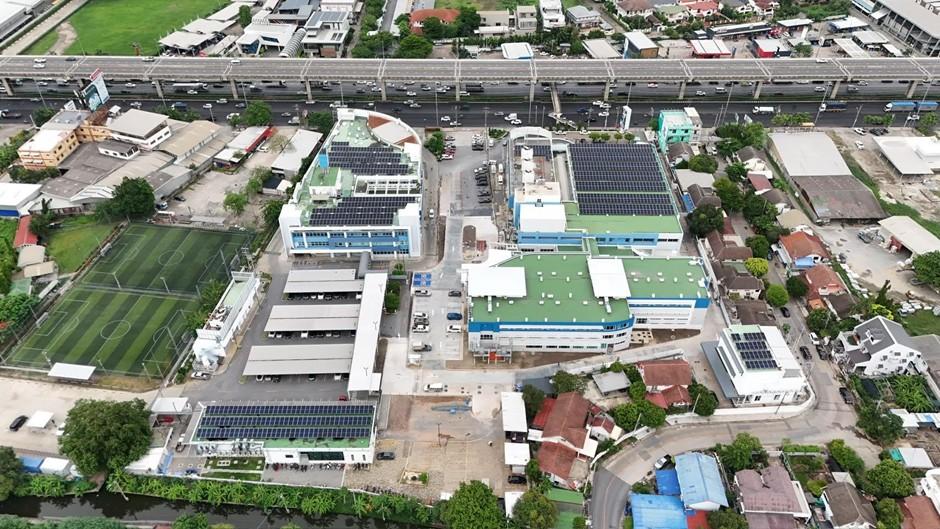
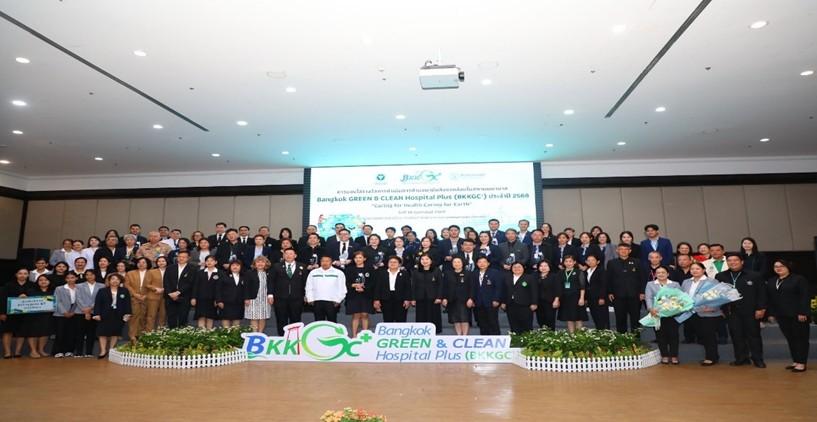
GREEN & CLEAN Hospital Plus (BKKGC+) Project 2025
THG participated in the BKKGC+ project, a collaboration between Bangkok Metropolitan Administration and Ministry of Public Health to enhance environmental health standards in urban hospitals. Focused on “Health for Climate” to address climate change challenges and support carbon neutrality goals in healthcare.
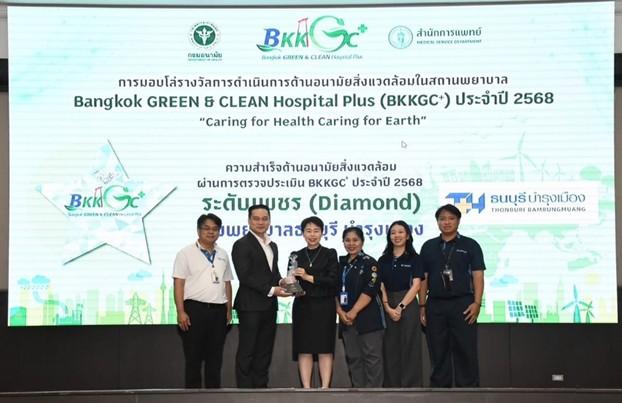
In 2025, Thonburi and Thonburi Thawiwatthana Hospitals passed the assessment criteria. Thonburi Bamrungmuang Hospital achieved Diamond Level certification, one of only two hospitals to receive the highest award.
Strategic Outcomes:
Confirmed urban environmental health standards.
Aligned with government carbon neutrality goals.
Supported organizational Net Zero targets.
Built trust among patients and stakeholders.
Demonstrated systematic, verifiable environmental management.
This success highlights THG’s leadership in expanding sustainable environmental management across society and reinforces its role as a pioneer in urban green hospitals.
Water Management — Overview
Introduction

In operating THG’s hospital business, one of the key issues receiving significant attention is the efficient use of water. Water is an essential resource for hospital operations, from maintaining cleanliness, sanitation, and various medical processes. Therefore, the management has established a Water Stewardship Policy, adopting an integrated water management approach to maximize water efficiency. This includes reusing treated wastewater for activities that do not require clean water, such as in sanitation systems and watering plants. Additionally, water-related risks such as shortages, flooding, and water quality are assessed to ensure more effective and sustainable water management.
Water — Plan & Guidelines
Has a Water Management Plan
Yes
Plan Description
Development and Water Management Approaches
Use of technology to recycle/reuse water
Installation of water-saving faucets and automatic faucets
Regular inspection and repair of leaking pipes
Organizing awareness campaigns to promote efficient water use among staff and service users
Analysis of operational areas located in water-stressed Areas
Water — Withdrawal, Discharge & Consumption
Recycling — Introduction
The company has implemented a project to recycle treated wastewater as part of its commitment to efficient and sustainable water resource management. Wastewater that meets quality standards after treatment is reused across all affiliated hospitals. For example, Sirivej Chanthaburi Hospital operates a large circular canal treatment system capable of handling significant wastewater volumes, ensuring effective treatment. Ubonrak Thonburi Hospital manages water at the source by separating types of water, while Thonburi Burana Hospital recycles treated water for non-potable uses such as watering plants, floor cleaning, and cooling systems. This initiative reduces wastewater discharge into natural water bodies, conserves clean water, and lowers the burden of sourcing new water, representing a comprehensive and environmentally friendly water management approach.
Water Withdrawal, Discharge & Consumption
| Metric | Current Year | Previous Year | Two Years Ago | Remark |
|---|---|---|---|---|
| Total water withdrawal (Cubic meters) | 627,760.01 | 624,158.99 | 630,829.02 | - Total water usage increased by 0.58% compared to 2024. - New information has been updated. |
| Total water withdrawal by third-party water (Cubic meters) | 499,773 | 519,774 | 534,940 | - The amount of tap water or water from other sources used in 2025 decreased by 20,001.00 cubic meters, or 3.8%, compared to the base year 2024. - New information has been updated. |
| Total water withdrawal by surface water (Cubic meters) | ||||
| Total water withdrawal by groundwater (Cubic meters) | 127,987.01 | 104,384.99 | 95,889.02 | |
| Total water withdrawal by seawater (Cubic meters) | ||||
| Total water withdrawal by produced water (Cubic meters) | ||||
| Percentage of wastewater treated before discharge (%) | 100 | 100 | 100 | |
| Total water discharge (Cubic meters) | 254,682 | 265,706.4 | 264,534.6 | |
| Total water discharge to third-party water (Cubic meters) | 181,554 | 193,567.2 | 188,512.6 | |
| Total water discharge to surface water (Cubic meters) | 73,128 | 72,139.2 | 76,022 | |
| Total water discharge to groundwater (Cubic meters) | ||||
| Total water discharge to seawater (Cubic meters) | ||||
| Total water consumption (Cubic meters) | 373,078.01 | 358,452.59 | 366,294.42 | |
| Recycled water (Cubic meters) | 42,455 | 0 | 0 | Footnote : Recycled water consumption refers to the volume of treated wastewater that has been reused within company operations. This includes activities that do not require potable water, such as irrigation, floor cleaning, or cooling systems. |
Water — Targets
Has Set Targets
Yes
Targets
| Target | Base Year | Base Year Value | Target Year | Target Year Value | Target Change (%) | Unit |
|---|---|---|---|---|---|---|
| Reduction of water withdrawal | 2,024 | 519,774 | 2,029 | 493,785.3 | 5 | Cubic meters |
Water — Performance & Outcomes
Has Performance Results
Yes
Performance Description
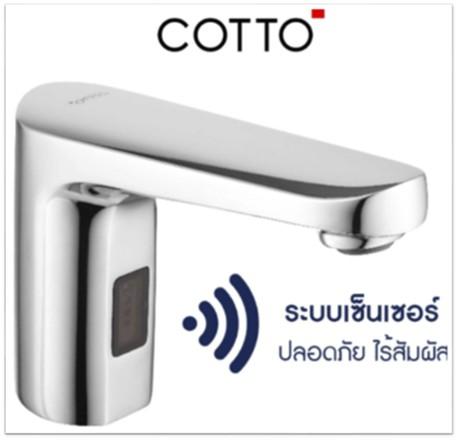
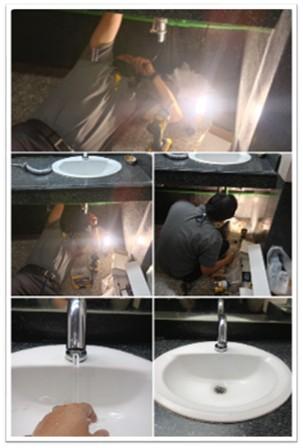
Thonburi Hospital has implemented a water reduction project by installing hydro-powered sensor faucets.
Key features of water-powered sensor faucets:
Self-powered: No need to plug in or change batteries.
High safety: Reduces the risk of electric shock.
Water-saving: Often features aeration technology for a softer water flow and lower water consumption.
Easy to use: Operates with an infrared sensor; simply move your hand near it.
Performance Results :
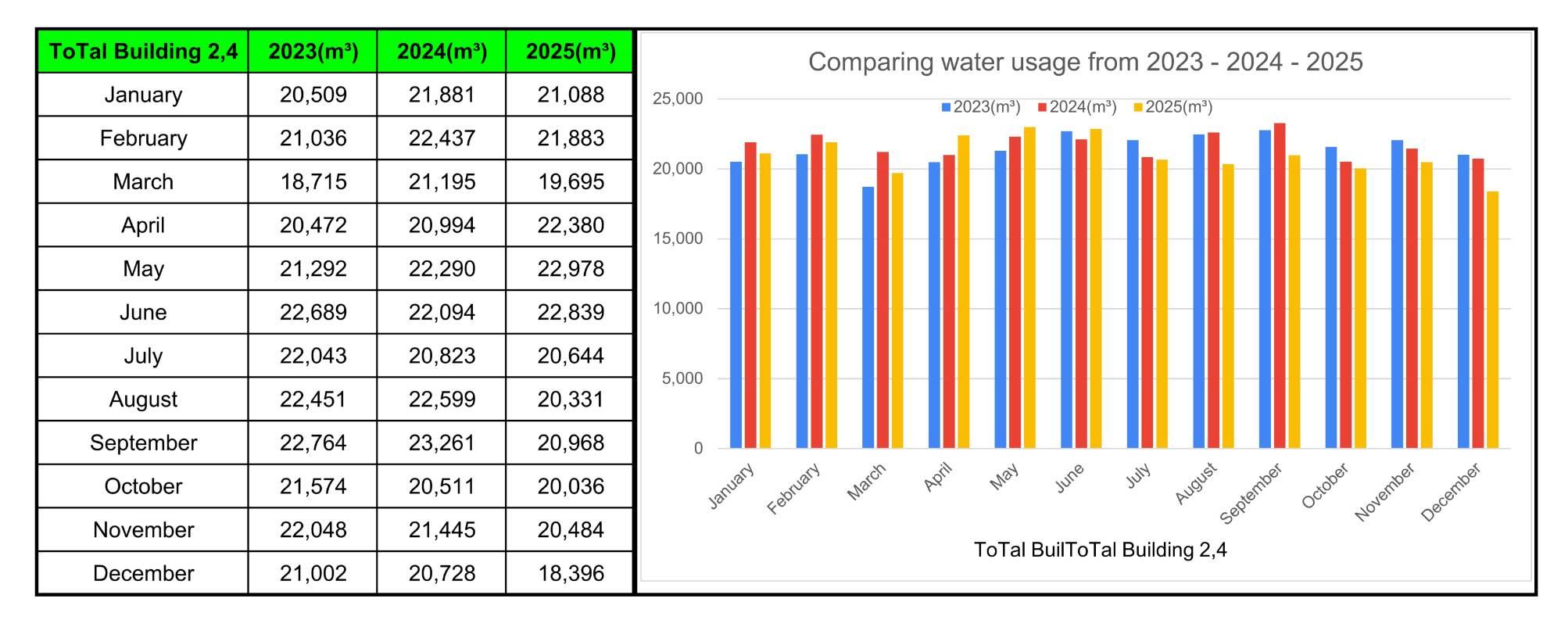
In 2025, water usage can be reduced by 5,003 cubic meters compared to 2024.
Waste Management — Overview
Introduction

THG recognizes the importance of systematic and efficient waste management to control and reduce risks from medical service waste, prevent the spread of pathogens, and protect staff, patients, and communities. Waste management is carried out in compliance with relevant laws and standards, such as the Department of Health regulations and World Health Organization guidelines, while minimizing environmental impacts. Accordingly, the company has established concrete policies and practices for waste management, including source-level segregation of general waste, hazardous medical waste, and recyclable waste. Hazardous medical waste is properly disposed of by licensed contractors. In addition, the company promotes waste reduction at the source through the use of environmentally friendly products such as paper packaging or biodegradable plastics. Knowledge management is also implemented to share best practices in non-hazardous waste management across departments, serving as models for organization-wide adoption.
With a strong commitment to reducing and utilizing non-hazardous waste, the company has significantly reduced the amount of waste requiring disposal while fostering environmental awareness among staff and service recipients.
Waste — Plan & Guidelines
Has a Waste Management Plan
Yes
Plan Description
Segregation of waste at the source: general waste, hazardous medical waste, and recyclable waste.
Promotion of waste reduction at the source through environmentally friendly products.
Focus on reducing non-hazardous waste by separating orphan waste for RDF (Refuse-Derived Fuel).
Segregation of food waste: wet waste and food scraps are composted into bio-fertilizer for hospital landscaping and gardening.
Installation of separate waste bins throughout hospital premises.
Awareness campaigns to encourage staff and customers to properly segregate waste.
Waste — Generation, Disposal & Recycling
Waste Generation, Disposal & Recycling
| Metric | Current Year | Previous Year | Two Years Ago | Remark |
|---|---|---|---|---|
| Total waste generated (Kilograms) | 1,577,357 | 1,583,421.37 | 1,704,046.6 | - New information has been updated. |
| Non-hazardous waste (Kilograms) | 1,192,061.9 | 1,180,199.75 | 1,273,491.08 | |
| Non-hazardous waste - Landfilling (Kilograms) | 1,192,061.9 | 1,180,199.75 | 1,273,491.08 | |
| Non-hazardous waste - Incineration (with energy recovery) (Kilograms) | ||||
| Non-hazardous waste - Incineration (without energy recovery) (Kilograms) | ||||
| Non-hazardous waste - Other disposal operations (Kilograms) | ||||
| Hazardous waste (Kilograms) | 385,295.1 | 403,221.62 | 430,555.52 | |
| Hazardous waste - Landfilling (Kilograms) | ||||
| Hazardous waste - Incineration (with energy recovery) (Kilograms) | ||||
| Hazardous waste - Incineration (without energy recovery) (Kilograms) | 385,295.1 | 403,221.62 | 430,555.52 | |
| Hazardous waste - Other disposal operations (Kilograms) | ||||
| Total reused/recycled waste (Kilograms) | 116,419.95 | 113,639.05 | 123,754.8 | |
| Reused/Recycled non-hazardous waste (Kilograms) | 116,419.95 | 113,639.05 | 123,754.8 | |
| Reused non-hazardous waste (Kilograms) | ||||
| Recycled non-hazardous waste (Kilograms) | ||||
| Reused/Recycled hazardous waste (Kilograms) | ||||
| Reused hazardous waste (Kilograms) | ||||
| Recycled hazardous waste (Kilograms) | - Data includes results from the Circular Economy Project “Won” – Plastic Bag and Stretch Film Recycling. - New information has been updated. |
Waste — Targets
Has Set Targets
Yes
Targets
| Waste Type | Disposal Approach | Target | Base Year | Base Year Value | Target Year | Target Year Value | Target Change (%) | Unit |
|---|---|---|---|---|---|---|---|---|
| Non-hazardous waste | 2758 · Description: Reuse · 2759 · Description: Recycle · 2760 · Description: Landfilling | Reduce waste volume | 2,024 | 1,583,421.37 | 2,029 | 1,266,737.1 | 20 | Kilograms |
Waste — Performance & Outcomes
Introduction
From the waste management plan, THG places importance and focuses on separating and collecting recyclable plastic materials from general waste, channeling them into recycling processes, and circulating them back into the value chain in accordance with the principles of the Circular Economy. This supports the goal of reducing the amount of non-hazardous waste sent to landfills.
Has Performance Results
Yes
Performance Description
Circular Economy Project “Won” – Recycling Plastic Bags and Stretch Film
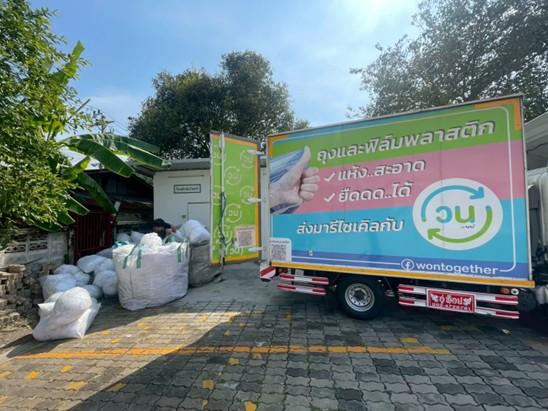
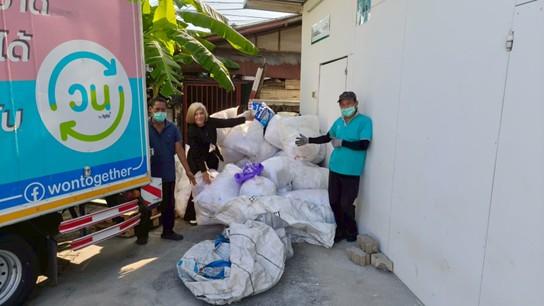
Thonburi Thawiwatthana Hospital has enhanced its sustainable resource management by joining the “Won” project to recycle plastic bags and stretch film in collaboration with TPBI Public Company Limited, starting from November 2025. The project focuses on separating and collecting recyclable plastic materials from general waste, channeling them into recycling processes, and circulating them back into the value chain in line with the principles of the Circular Economy. This initiative also improves the efficiency of the hospital’s resource utilization.
The implementation has played a key role in increasing the Waste Diversion Rate and reducing environmental risks from plastic waste.
In the initial phase, the hospital successfully collected and delivered more than 100 kilograms of plastic bags and stretch film for recycling within just one month, reflecting the effectiveness of its waste management system and the potential for long-term expansion.
For 2026, the hospital has set a quantitative target to collect and recycle more than 1,000 kilograms of plastic bags and stretch film annually. This supports the company’s sustainability goal of reducing non-hazardous waste sent to landfills by 20% from the 2024 baseline by 2029.
In addition, Thonburi Thawiwatthana Hospital has continuously reduced the volume of waste sent to landfills. By 2025, the hospital had reduced cumulative landfill waste by more than 355,000 kilograms compared to the 2022 baseline, demonstrating steady progress in resource efficiency and waste reduction.
Alongside this, the success in reducing waste has contributed to lowering indirect greenhouse gas emissions (Scope 3). In 2025, the hospital reduced emissions by 637 tons of carbon dioxide equivalent (tCO2eq), supporting the organization’s long-term greenhouse gas reduction strategy.
Outcomes for the Organization and Society
The project has generated tangible positive impacts both environmentally and operationally.
It serves as a best practice model for sustainable waste management for hospitals within the group and for organizations in both the public and private sectors.
It reflects the hospital’s commitment to sustainable healthcare operations, aiming to become a healthcare organization that maximizes resource efficiency while minimizing environmental impacts.
Greenhouse Gas — Overview
Introduction

THG recognizes the impacts of climate change, which affect healthcare management both directly and indirectly. The Company has identified key risks and opportunities related to climate change as follows:
Physical Risks that may arise from extreme weather conditions such as floods, droughts, disease outbreaks, community migration, and economic disruptions, which may cause business operations to be interrupted.
Transition Risks such as laws and regulations controlling greenhouse gas emissions through mechanisms such as carbon taxation.
In terms of opportunities, the transition to renewable energy, such as installing solar power generation systems, can reduce greenhouse gas emissions and lower electricity costs.
Therefore, the Company continuously drives climate change adaptation initiatives. The Company is committed to supporting global efforts to limit the increase in the average global temperature to well below 2 Degrees Celsius and to pursue efforts to limit it to 1.5 Degrees Celsius above pre-industrial levels under the Paris Agreement, which aligns with the Sustainable
Development Goals (SDG 13) : Climate Action.
Governance Structure
The Board of Directors recognizes the importance of climate management and has assigned the Corporate Governance and Sustainability Committee to oversee, monitor, and provide policy recommendations related to climate change.
The committee is responsible for setting climate change targets and action plans, assessing both short-term and long-term risks and impacts, and defining mitigation and adaptation measures.
The Chief Sustainability Officer oversees and monitors the Climate Management Working Team to implement activities and projects in order to achieve the organization’s climate targets.
GHG — Plan & Guidelines
Has a GHG Management Plan
Yes
Plan Description
Conduct Corporate Carbon Footprint (CFO) assessment
Transition to renewable energy such as solar power
Improve energy efficiency and reduce energy consumption
Waste segregation to reduce landfill and increase recycling value
Promote stakeholder participation to reduce emissions
GHG — Emissions
GHG Emissions
| Metric | Current Year | Previous Year | Two Years Ago |
|---|---|---|---|
| Total GHG emissions (Metric tonnes of carbon dioxide equivalent) | 28,444 | 27,592 | 21,649 |
| Total greenhouse gas emissions 1 (Metric tonnes of carbon dioxide equivalent) | 3,318 | 2,255 | 1,234 |
| Total greenhouse gas emissions 2 (Metric tonnes of carbon dioxide equivalent) | 18,230 | 18,952 | 14,519 |
| Total greenhouse gas emissions 3 (Metric tonnes of carbon dioxide equivalent) | 6,896 | 6,385 | 5,896 |
GHG — Emissions Verification
Emissions Verified by a Third Party
Yes
Verifying Body
3285
GHG — Principles & Standards
Introduction
Climate change is a critical global issue affecting economic, social, and environmental systems. It is mainly caused by increasing greenhouse gas emissions from human activities such as energy use, industrial production, transportation, and resource consumption.
Both public and private organizations therefore play an important role in systematically managing and reducing greenhouse gas emissions to support sustainable development, carbon neutrality, and Net Zero emissions.
The greenhouse gas management framework must be aligned with recognized international and national standards, particularly the guidelines of the Thailand Greenhouse Gas Management Organization (TGO) and the Greenhouse Gas Protocol, which provide widely accepted frameworks for identifying, calculating, reporting, and verifying greenhouse gas emissions.
Principles & Standards Applied
| Standard |
|---|
| 2671 |
| 2672 |
GHG — Targets
Introduction
The company set greenhouse gas targets;
Short-term : Reduce GHG emissions per customer by 4% compared with the previous year
Medium-term : Reduce GHG emissions per customer by 20% from the 2024 baseline by 2029
Long-term : Net Zero Emissions by 2050
Has Set GHG Targets
Yes
GHG Targets — Net Zero
Net Zero Targets
| Emission Scope | TGO Certification | Base Year | Base Year Emissions | Near-term Target Year | Near-term Target Change (%) | Long-term Target Year | Long-term Target Change (%) | Target Year | Target Change (%) | Unit |
|---|---|---|---|---|---|---|---|---|---|---|
| 2715 | Net zero | 2,024 | 21,207 | 2,028 | 21.43 | 2,050 | 100 | 2,028 | 21.43 | Metric tonnes of carbon dioxide equivalent |
GHG Targets — Other Targets
Introduction
Reduce GHG emissions per service recipient by 20% from the 2024 baseline by 2029
Other GHG Targets
| Emission Scope | Base Year | Base Year Emissions | Near-term Target Year | Near-term Target Change (%) | Long-term Target Year | Long-term Target Change (%) | Target Year | Target Change (%) | Unit |
|---|---|---|---|---|---|---|---|---|---|
| 2715 | 2,024 | 0.01 | 2,025 | 4 | 2,029 | 20 | 2,025 | 4 | Metric tonnes of carbon dioxide equivalent |
| 2716 | 2,024 | 0.02 | 2,025 | 4 | 2,029 | 20 | 2,025 | 4 | Metric tonnes of carbon dioxide equivalent |
GHG — Performance & Outcomes
Has Performance Results
Yes
Performance Description
Net Zero Initiative
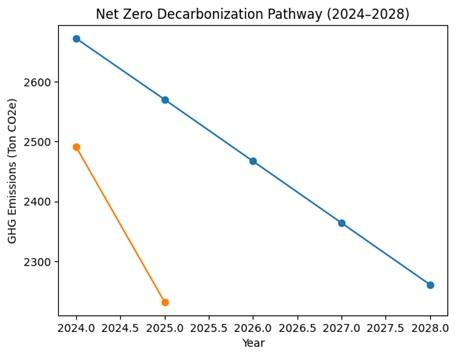
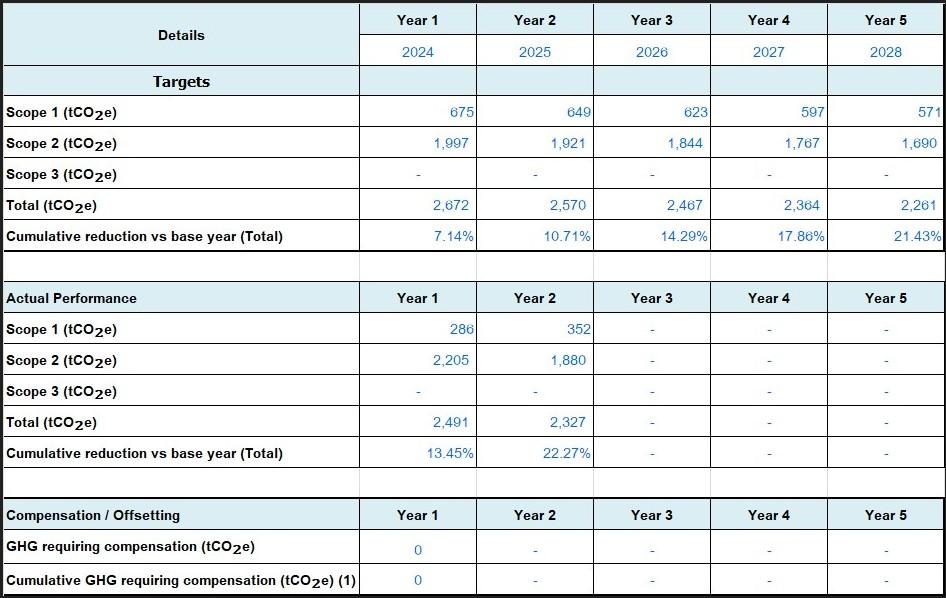
Thonburi Thawiwatthana Hospital has joined the Net Zero Project under the framework of the Thailand Greenhouse Gas Management Organization (TGO). The hospital has set a target to achieve zero greenhouse gas emissions by 2028 under a 5-year Decarbonization Pathway.
Currently, the hospital is in 2nd year of the pathway (2025) and has performed better than the target.
2025 Performan
Target GHG Emissions (tCO2eq) | Actual Emissions (tCO2eq) | Below Target (tCO2eq) | Reduction from Baseline |
2,570 | 2,232 | 338 | 22.45% |
Carbon offset is not required (Carbon Offset = 0).
The results demonstrate that the hospital achieved emissions below the Year 2 target and performed better than the planned pathway.
Key Decarbonization Measures
The Net Zero initiative includes four main measures:
Installation of solar cell systems on the main building
Replacement of chillers with high-efficiency systems
Improvement of air-conditioning system efficiency
Proactive energy management within the organization
Currently 3 projects have been completed and 1 project is under implementation.
Employee Engagement
In addition to technology investments, the hospital promotes an environmental culture within the organization.
Employees participate in monitoring energy consumption, promoting energy-saving behaviors, and supporting the Green Workplace concept. The integration of technology and organizational behavior has been a key factor in achieving emission reductions beyond the target in 2025.
Strategic Importance
Reduce long-term energy cost risks
Reduce future carbon regulation risks
Support environmentally friendly healthcare operations
Strengthen stakeholder confidence
Thonburi Thawiwatthana Hospital remains committed to the Decarbonization Pathway to achieve Net Zero by 2028.
Environmental Legal Incidents
Number of Incidents — Introduction
Over the past three years, THG has had no incidents involving legal violations or significant negative environmental impacts.
Legal Violation Incidents
| Metric | Current Year | Previous Year | Two Years Ago |
|---|---|---|---|
| Number of cases or incidents of legal violations or negative environmental impact (cases) | 0 | 0 | 0 |
Other Environmental Management
Introduction
THG manages its supply chain by integrating sustainability considerations and implementing a Sustainable Procurement Policy. The Company also established a Supplier Code of Conduct to ensure that employees and suppliers adhere to environmental, social, and governance (ESG) principles.
New suppliers must undergo capability and product quality assessments using evaluation forms that include environmental criteria.The Company also supports procurement of environmentally friendly products and services, conducts ESG assessments for key suppliers, and performs on-site audits of existing suppliers to reduce environmental risks associated with contractors.
Additionally, THG provides environmental training for suppliers and contractors, such as proper waste segregation training.
Employee Management — Overview
Introduction
With the conviction that people are the most critical foundation of organizational success, and under the strategic concept of a “Human Centric” approach, the Company is committed to fostering a positive and fulfilling workplace culture. The Company strives to create a “happy and sustainable workplace” by focusing on two key priorities.
First, the Company places strong emphasis on the rights, health, and safety of its workforce. The Company recognizes the importance of treating employees fairly in accordance with fundamental human rights principles, as well as providing appropriate welfare, occupational health, and workplace safety measures in order to enhance the quality of life of all employees.
Second, the Company is committed to developing and retaining human capital.
Accordingly, building a highly skilled and capable workforce, together with retaining talented employees within the organization, remains a key priority to support long-term business sustainability.
Employees — Plan & Guidelines
Has an Employee Management Plan
Yes
Plan Description
1. Fair and Equitable Employee Remuneration
The Company places strong emphasis on providing fair and adequate remuneration that supports a living wage, with the objective of enhancing employees’ quality of life and reducing economic inequality. The Company conducts an annual review of its wage and salary structure to ensure alignment with the cost of living in each operating location and to confirm that no employee receives remuneration below the legally mandated minimum wage.
In addition, the Company regularly benchmarks its remuneration against prevailing labor market conditions to maintain competitive compensation levels. Compensation is also compared within the healthcare sector to mitigate risks related to workforce shortages, which could otherwise adversely affect the quality of patient care.
Remuneration outcomes are reviewed in accordance with the established compensation structure and used as key inputs in decisions related to wages, total compensation, employee benefits, and job grading structures. These practices aim to ensure equity and fairness across the organization while remaining aligned with the Company’s financial capacity and long-term sustainability.
2. Employee Training and Skills Development
Human resources are considered the most important success factor of the company. Therefore, developing personnel with knowledge, abilities, and high potential, as well as retaining these employees within the organization, is of utmost importance to the company. The Company has established the following policies and practices:
Continuous employee development by providing equal opportunities for learning, training, and skills development.
Support for employees to further their studies or enhance their skills.
rganizing a variety of training and development programs suitable for job positions and the company’s needs.
The Company conducts regular assessments of employees’ training and skills development needs on an annual basis. Department heads evaluate training needs based on job descriptions classified into Levels 1–4, as well as performance evaluation results applied by the hospital, including position-specific Key Performance Indicators (KPIs) and competency assessments. Competencies are categorized into three types: Core Competency, Functional Competency, and Specific Competency, the latter of which requires specific skills, professional expertise, and annual knowledge assessments.
These inputs are analyzed by department heads to assess development needs and to formulate Individual Development Plans (IDPs) in collaboration with employees. Employees are informed of and agree upon the learning and development processes required for their roles. Core competencies representing essential capabilities for the business are developed and reviewed annually. These include, for example, risk management, quality management systems, patient safety, cybersecurity risk awareness, employee code of conduct, and cardiopulmonary resuscitation (CPR). Such topics are designated as mandatory training and form the basis of the Company’s annual training and human capital development plan.
Individual Development Plans (IDPs) are implemented on a continuous basis and cover employees at all levels. Training and development activities are delivered through a blended approach, comprising approximately 30% classroom-based training and 70% on-the-job training, complemented by self-learning and mentoring programs. These initiatives aim to enhance workforce capabilities in line with patient needs and evolving technologies. The Company implements both short-term and long-term human capital development plans, including the provision of scholarships and specialized training to support advanced professional expertise.
All IDP development activities are subject to effectiveness assessments, such as knowledge and skills testing and close monitoring of on-the-job performance. For high-risk positions such as critical care nursing and operating room functions employees are required to undergo competency evaluations conducted by senior professionals at Levels 3–4 or direct supervisors to ensure correct and effective application of skills following training.
2025 Performance Results :
The average number of training hours for operational-level employees is 26.87 hours per person per year.
The average number of training hours for management-level employees is 81.39 hours per person per year.
The total number of training hours provided to operational-level employees is 107,638 hours.
The total number of training hours provided to management-level employees is 20,023 hours.
Type of Training :
Type of Training | No. of Courses | Total Attendees |
Mandatory Training** | 37 | 7,191 |
Quality and safety | 64 | 3,352 |
Clinical / Specialized | 204 | 1,749 |
Compliance / Law | 26 | 70 |
Leadership / Management | 29 | 567 |
Professional Skills | 46 | 286 |
Digital / Technology/ENV | 42 | 1,139 |
**Mandatory Training includes: Human Rights, Information Security Policy, Life Support (BLS, ACLS), Organizational Deployment (OD) activities, Emergency Response Drills, Service Behavior, ESB Town Hall, and others.
3. Employee Relations and Engagement
The Company places strong emphasis on fostering positive relationships and engagement between employees and the organization. The Company believes that a motivated and satisfied workforce is a key driver of long-term organizational sustainability. Accordingly, the Company has established human resource management policies that focus on listening to employee feedback, creating a supportive and inclusive work environment, and promoting mutual respect. Employees at all levels are encouraged to actively participate in organizational development and continuous improvement.
The Company conducts an Employee Engagement Survey on an annual basis to assess employees’ satisfaction, sense of pride, and motivation. Survey results are analyzed and used to develop targeted improvement plans and engagement initiatives tailored to the specific needs and context of each department.
Programs and Initiatives to strengthen employee engagement, the Company has implemented the following key programs and initiatives:
Internal Communication Programs (Town Hall Meetings): Providing opportunities for senior management to communicate business direction and strategic priorities, while enabling employees to share feedback and perspectives directly.
Employee Recognition Program: Recognizing and rewarding outstanding employee performance to enhance morale and reinforce a culture of excellence.
CSR Volunteer Program: Encouraging employees to participate in social and environmental activities, supporting the creation of shared value for communities and society.
Wellness Program: Promoting employees’ physical and mental well-being through initiatives such as exercise programs and health promotion activities, contributing to improved quality of life and overall workforce well-being.
The findings are analyzed and incorporated into the Company’s human capital management strategy to strengthen employee engagement, improve workplace conditions, and support long-term organizational sustainability. In 2025, the company's performance is as follows:
The employee satisfaction score was 72%, with a total of 4,013 employees participating in the survey.
The employee turnover rate is 15%.
4. Child Labor
The Company places strong emphasis on conducting business ethically and with respect for human rights. Strict measures have been implemented to prevent the use of child labor and forced labor. The Company complies with applicable labor laws and relevant international standards and verifies employees’ ages during the recruitment and hiring process to ensure that no individual below the legally permitted working age is employed.
In addition, the Company has established internal control systems and conducts assessments of contractors and supplier to ensure compliance with good labor practices. Independent and secure grievance channels are also in place to enable the reporting of labor-related concerns in a safe and confidential manner.
5. Occupational Health and Safety
The Company has established policies to promote employees’ health and well-being in a holistic manner, encompassing physical, mental, social, and occupational safety dimensions. Under the Holistic Well-Being approach, the Company aims to ensure that its workforce maintains good health, morale, and readiness to deliver healthcare services to patients effectively and safely. Relevant programs are implemented in alignment with internationally recognized labour standards and best practices within the healthcare industry.
5.1 Working Hours
The Company places strong emphasis on the appropriate management of employees’ working hours. Clear guidelines have been established to control working hours in compliance with labour laws, professional ethics in the healthcare sector, and internal organizational policies. These measures are designed to ensure that employees at all levels are adequately cared for, to reduce work-related fatigue, and to maintain patient safety and the quality of medical services.
Guideline to Prevent Excessive Working Hours include:
Limiting working hours in accordance with legal requirements and ensuring adequate rest periods.
Conducting workforce analysis to assess staffing ratios per unit of service (Full-Time Equivalent per Unit of Service) and establishing unit-specific staffing standards based on workload. These standards are reviewed on an annual basis.
Providing employees with opportunities to participate in shift scheduling and to adopt flexible work arrangements that support work–life balance, without compromising internal policies and service standards.
Implementing systems to monitor and report employees’ working hours in a transparent and auditable manner, such as the KwanP system.
Encouraging supervisors and line managers to manage workloads appropriately and to prevent unnecessary overtime.
Conducting quarterly workforce capacity reviews across all departments in each fiscal year to ensure alignment with operational plans and service requirements. Staffing levels are determined in accordance with the requirements of relevant professional council.
5.2 Occupational Health
THG is committed to preventing and promoting the health of employees and partners, recognizing that health is a fundamental foundation for well-being and work efficiency.
Guideline:
Health Risk Assessment: Identify and assess health risks that may arise from work activities, including biological, chemical, physical, and ergonomic hazards.
Preventive Measures: Implement control measures for health risks and provide appropriate personal protective equipment.
Health Surveillance: Conduct health checks and follow-up according to legal requirements or as necessary for disease prevention.
Education and Training: Provide education to employees on health hazards related to their work, safe working practices, and the use of protective equipment. Conduct training to promote knowledge on safety, occupational health, and environmental matters for employees and contractors. All must undergo occupational health and safety training from the first day of employment to ensure they are informed about safe work practices as per legal requirements.
Manuals and Operating Procedures: Develop manuals and operating procedures regarding safety, occupational health, and environmental practices, as well as emergency response procedures, including the preparation of protective equipment such as chemical management, infection control at work, waste and hazardous material handling, fire safety plans, flood plans, and infection control plans in construction areas.
2025 Performance Results :
Fatal work-related accident rate 0 cases
Lost Time Injury Frequency Rate (LTIFR) 0.22 incidents per million working hours.
6. Non-Discrimination
Recruitment Practices
The company has a transparent and fair recruitment process that equally covers all job positions. The process is appropriate and aligned with the principles of respecting human rights, with no discrimination based on race, religion, gender, age, social status, or sexual diversity.
Plan Areas
| Plan Area | Other — Please Specify |
|---|---|
| Fair employee compensation | |
| Employee training and development | |
| Promoting employee relations and participation | |
| Child labor | |
| Occupational health and safety in workplace | |
| Others | Non-Discrimination |
Employees — Workforce
Introduction
The Company is committed to inclusive and equitable workforce management, including providing employment opportunities for persons with disabilities, ensuring fair compensation, supporting employee development, and monitoring workforce metrics to strengthen long-term organizational sustainability
Employees with Disabilities — Introduction
The Company continuously supports the employment of persons with disabilities in accordance with Section 33 of the Empowerment of Persons with Disabilities Act, and promotes career support under Section 35 of the same Act in 2025.
The Company complies with the statutory employment ratio of one person with disabilities per 100 employees, as stipulated under the Empowerment of Persons with Disabilities Act.
As of 2025, the Company employs 43 persons with disabilities out of a permanent workforce of 4,283 employees (FTE), representing 1% of total employees, in compliance with the legally required ratio of one person with disabilities per 100 employees.
Workforce Data
| Metric | Current Year | Previous Year | Two Years Ago | Remark |
|---|---|---|---|---|
| Total number of employees (Persons) | 5,532 | 5,980 | 5,484 | Total employment include permanent employees and part time employees. |
| Number of male employees (Persons) | 1,078 | 1,131 | 1,174 | |
| Number of female employees (Persons) | 4,454 | 4,849 | 4,310 | |
| Total employment of disabled persons (people) | 43 | 49 | 15 | Total employment include permanent employees and part time employees. |
| Total disabled employees (people) | 14 | 21 | 8 | |
| Total male disabled employees (people) | 6 | 8 | 2 | |
| Total female disabled employees (people) | 8 | 13 | 6 | Total employment include permanent employees and part time employees. |
| Total disabled workers who are non-employee (people) | 29 | 28 | 7 | |
| Contributions to the fund for promoting and improving the quality of life for disabled persons | 1 | 0 | 0 | |
| Total number of male employees in operational level (Persons) | 978 | 1,058 | 1,069 | |
| Total number of male employees in management level (Persons) | 71 | 57 | 77 | |
| Total number of male employees in executive level (Persons) | 29 | 16 | 28 | |
| Total number of female employees in operational level (Persons) | 4,214 | 4,643 | 4,057 | |
| Total number of female employees in management level (Persons) | 222 | 192 | 222 | |
| Total number of female employees in executive level (Persons) | 18 | 14 | 31 |
Employees — Remuneration & Provident Fund
Remuneration & Provident Fund
| Metric | Current Year | Previous Year | Two Years Ago | Remark |
|---|---|---|---|---|
| Total disabled employees (people) | 2,484,039,056 | 3,037,963,961 | 2,327,101,001 | Employee Compensation The company has policies and guidelines regarding the compensation and welfare of employees that are in consistent with its operating procedures consist of: • Short-term compensations including salary, overtime pay, living expenses, and special grant. The company has set the compensation rates for employees by comparing them with other companies in the same business. For salary and bonus adjustments, it is considered in line with the company's performance by evaluating individual performance. The performance indicators (KPIs) are defined. • Long-term compensations including retirement compensation, employer’s contribution to provident fund (employees with employment period of more than 5 years will receive additional contribution in the amount of 2% of the employer’s contribution). In addition, there is an increase in welfare for employees who have worked for a long time, such as increasing holidays, compensation etc. to maintain and motivate employees. • Welfare and others including medical expenses for employees and their families, annual health checkup, annual health checkup at a special price for families of employees, special discounts for hospital services such as dental service and child tuition assistance etc. In 2025, the Company paid salary, overtime pay, subsidy, living expense, special grant, social security, and contribution to provident fund. |
| Total male employee remuneration (Baht) | 517,162,206 | 643,877,391 | 488,093,444 | |
| Total female employee remuneration (Baht) | 1,966,876,850 | 2,394,086,570 | 1,839,007,557 | |
| Number of employees eligible to participate in PVD (persons) | 3,214 | 3,487 | 3,662 | - Revised scope of disclosure for 2023, 2024, and 2025 to include the Company and its subsidiaries. |
| Total number of employees joining employee provident fund (Persons) | 3,214 | 3,487 | 3,662 | |
| Percentage of total number of employees joining employee provident fund to total number of employees (%) | 66.2 | 79.21 | 75.04 | In 2024, the actual ratio of employees participating in PVD to all employees (3,487/5,013) was 69.56%. Because in 2024, the total number of permanent employees of the Company and its subsidiaries will be 5,013 people (but the number of employees is 4,402 in 7 branches only). |
| Number of PVD members / Total eligible employees (%) | 100 | 100 | 100 | |
| Total amount of provident fund contributed by the Company (Baht) | 34,870,911 | 39,651,067 | 40,479,195 | |
| Total amount of provident fund contributed by employee (baht) |
Employees — Training & Development
Training Data
| Metric | Current Year | Previous Year | Two Years Ago | Remark |
|---|---|---|---|---|
| Average employee training hours (Hours / Person / Year) | 26.87 | 31.53 | 12 | Shows the average number of training hours for operational-level employees across 7 BUs. |
| Employee development and training expenses (baht) | 7,032,997 | 11,878,111 | 5,996,356 | Show the total training and development expenses for employees across 7 BUs. |
Employees — Occupational Health & Safety
Occupational Health & Safety Data
| Metric | Current Year | Previous Year | Two Years Ago | Remark |
|---|---|---|---|---|
| Total number of lost time injury incidents by employees (Cases) | 2 | 3 | 3 | 2024 - 2025 Shows the number of Lost Time Injury for 7 BUs |
Employees — Labour Relations
Labour Relations Data
| Metric | Current Year | Previous Year | Two Years Ago | Remark |
|---|---|---|---|---|
| Total voluntary resignations (Persons) | 964 | 680 | 978 | - Revised scope of disclosure for 2023, 2025 to include the Company and its subsidiaries. - 2024 Shows the number for 7 BUs |
| Male employees who voluntary resigned (Persons) | 174 | 160 | 309 | |
| Female employees who voluntary resigned (Persons) | 790 | 520 | 669 | |
| Percentage of employee turnover leaving the Company voluntarily (%) | 17.43 | 11.37 | 17.83 | The proportion of employees who voluntarily resign must be calculated from the total number of employees (permanent + temporary) as disclosed in the e-One Report, as follows: In 2023, total employees = 5,484, proportion = 978 / 5,484 = 17.83 In 2025, total employees = 5,532, proportion = 964 / 5,532 = 17.42 |
| Evaluation result of employee engagement | 1 | 1 | 1 |
Employees — Employee Representation
Introduction
The Company recognizes employees’ rights to participation and freedom of association in accordance with applicable labor laws and human rights principles. To support employee engagement and representation, the Company has established an Employee Welfare Committee, which serves as a formal platform for communication and collaboration between employees and management. The Employee Welfare Committee consists of employee representatives elected through a transparent process, together with management representatives. The Committee is responsible for reviewing and recommending appropriate welfare arrangements in compliance with applicable labor laws and the Company’s internal policies.
The Committee operates in accordance with the Labor Protection Act B.E. 2541 (1998), Section 96, and the Company’s Human Rights Policy. It serves as an important channel for receiving employee feedback, suggestions, and concerns regarding employee welfare, labor rights, and working conditions. These inputs are considered to continuously improve workplace policies and practices.
The Committee convenes regularly to facilitate constructive dialogue between employees and management, strengthen transparency and trust within the organization, and support effective.
Employees Are Represented Collectively
Yes
Forms of Representation
| Form |
|---|
| Welfare committee |
Employees — Targets
Has Set Employee Targets
Yes
Targets
| Indicator | Target Areas | Target Year | Target Year — Description |
|---|---|---|---|
| • Number of work-related fatalities • Lost Time Injury Frequency Rate (LTIFR) | 2988 · Description: Safety and occupational health at work | 2,026 | - Work-related fatalities: Zero cases
- Lost Time Injury Frequency Rate (LTIFR): Zero times |
| • Employee engagement score • Average operational training hours per person per year • Employee Turnover Rate | 2984 · Description: Employee training and development · 2985 · Description: Promoting employee relations and participation | 2,026 | - Employee engagement score of more than 80%
- Average operational training hours not less than 30 hours per person per year
- Employee Turnover Rate: less than 15% per year. |
Employees — Performance & Outcomes
Has Performance Results
Yes
Performance Description
“Thonburi Thungsong Wellness 2029” Initiative
The Company places strong emphasis on promoting occupational health, safety, and overall well-being for both employees and service recipients. The “Happy Workplace” concept has been integrated into the strategic initiative, “Thonburi Thungsong Wellness 2029,” which aims to enhance employee well-being across physical, mental, and workplace environment dimensions. This initiative supports improved quality of life for employees while strengthening the sustainability and effectiveness of healthcare service delivery.
The initiative has been implemented in collaboration with relevant government agencies, including the Regional Occupational Safety Center Region 9 (Songkhla), the Labor Safety Division under the Department of Labor Protection and Welfare, and the Thai Health Promotion Foundation (Thai Health). These organizations have supported the implementation of the “Happy 8” framework, which promotes holistic employee well-being, including physical health, mental wellness, work-life balance, and a safe and supportive working environment. Progress is monitored and evaluated on an ongoing basis to ensure continuous improvement.
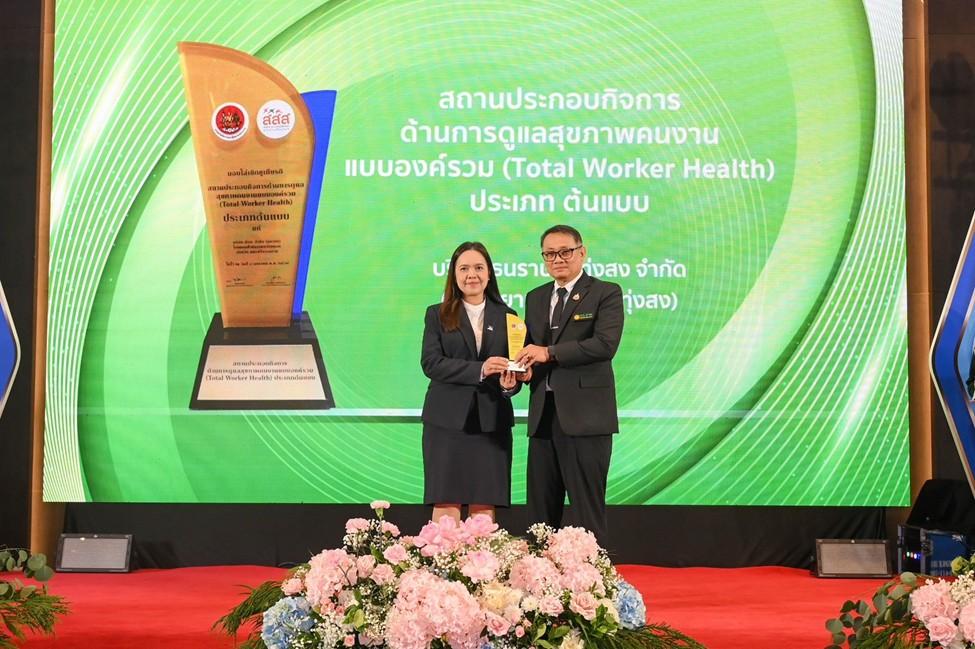
As a result of these efforts, Thonburi Thungsong Hospital was awarded the Total Worker Health (TWH) Model Organization Recognition Award in 2025 by the Ministry of Labor. This recognition reflects the Hospital’s excellence in occupational health, safety, and workforce well-being management in accordance with national best practice standards.
This achievement demonstrates the effectiveness of the Company’s human capital management framework and reinforces its commitment to providing a safe, healthy, and supportive working environment, contributing to long-term organizational sustainability.
ESG DNA Project 2025
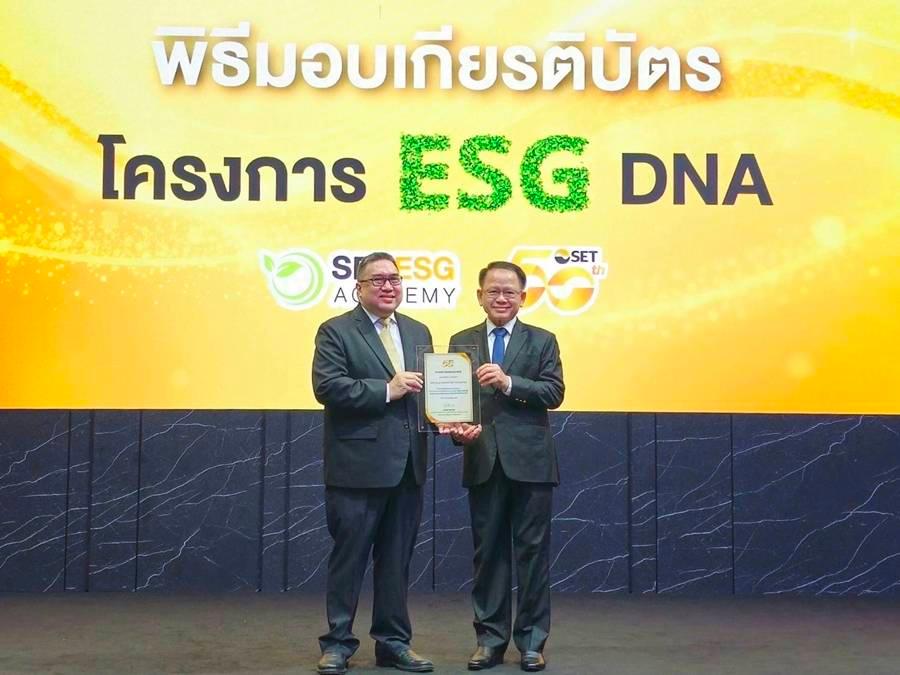
On 26 August 2025, THG received a Certificate of Recognition from the Stock Exchange of Thailand (“SET”) in recognition of its achievement in promoting learning among its employees, with more than 70% of employees completing the course “ESG DNA: Sustainability Knowledge for Personnel at All Levels” through the e-Learning system developed by SET.
This initiative aims to provide employees with a fundamental understanding of ESG principles and to cultivate a sustainability DNA within the organization. Employees are encouraged to apply this knowledge to their work across all departments and throughout every stage of the business process. The program supports the organization’s goal of developing its business sustainably while taking into account three key dimensions: Environmental, Social, and Governance (ESG).
In 2025, THG continued to participate in the “ESG DNA” project organized by SET. The company set a target for employees of THG including staff from the central office (THG-Corporate), Thonburi Hospital, and Thonburi Thawiwatthana Hospital to receive sustainability-related training, which included pre- and post-training knowledge assessments.
The training consisted of four courses:
ESG 101: Fundamentals of Sustainability
BHR101: Introduction to Human Rights due Diligence
CFO01: Business and GHG Emission Reduction
CE102: How to be a Zero-Waste Office?
Objective: The project is divided into two phases, as follows:
(1) Phase 1
Project Period: From 1 November 2025 to 31 May 2026
Target:
A total of 692 THG employees participating in the project, including employees from the central office (THG-Corporate), employees from Thonburi Hospital (supervisory-level staff serving as representatives of each department), and employees from Thonburi Thawiwatthana Hospital.
By the end of the project period, more than 70% of the participating employees are expected to successfully complete all four training courses (with knowledge assessment and certification issued by SET).
Project Progress as of 31 December 2025:
The results are as follows:
Company / Business Unit | Total Number of Employees (Persons) | Target Phase 1 | Project Progress as of 31 December 2025 | ||
Employees Enrolled in the Training (Persons) | Employees Who Completed All 4 Training Courses by 31 May 2026 (%) | Employees Who Completed the Training (Persons) | Percent (%) | ||
THG-Corporate | 46 | 46 | 33 persons (70%) | 34 | 73.91 |
Thonburi Hospital1) | 1,839 | 25 | 18 persons (70%) | 25 | 100 |
Thonburi Thawiwatthana Hospital | 621 | 621 | 435 persons (70%) | 621 | 100 |
Total | 2,506 | 692 | 486 persons (70%) | 680 | 98.26 |
Note: 1)Thonburi Hospital has established a guideline for selecting employees to participate in the training. Executives or supervisory-level staff from key departments are assigned to attend the training so that they can communicate and transfer the knowledge gained, or incorporate it into work plans for their teams or subordinates to understand and implement in practice.
The results of employees who successfully completed the ESG DNA training program, categorized by course, as of 31 December 2025 are as follows:
Company / Business Unit | ESG 101: Fundamentals of Sustainability | BHR101: Introduction to Human Rights due Diligence | CFO01: Business and GHG Emission Reduction | CE102: How to be a Zero-Waste Office?) | ||||
Persons | % | Persons | % | Persons | % | Persons | % | |
THG-Corporate | 34 | 73.91 | 21 | 51 | 15 | 37 | 14 | 34 |
Thonburi Hospital | 25 | 100 | 25 | 100 | 25 | 100 | 25 | 100 |
Thonburi Thawiwatthana Hospital | 621 | 100 | 621 | 100 | 621 | 100 | 621 | 100 |
Total | 677 | 97.83 | 667 | 96.38 | 661 | 95.52 | 660 | 95.37 |
(2) Phase 2 (“Phase 2”)
Project Period: From 1 June 2026 to 31 May 2027
Target:
Employees of Thonburi Hospital, representing 25% of the total hospital workforce
Newly hired employees of THG (THG-Corporate, Thonburi Hospital, and Thonburi Thawiwatthana Hospital)
Encouraging affiliated hospitals within the THG network to participate in the ESG DNA project
The objective is for the targeted employees to complete all four sustainability-related training courses under the program.
Customers — Plan & Guidelines
Has a Customer Management Plan
Yes
Plan Description
Responsible Service Delivery
Quality of Care and Services
The Company places great importance on maintaining high-quality healthcare standards to ensure that patients receive safe and excellent services, promote equality, and reduce disparities in access to care. It aims to provide healthcare for people of all ages to ensure a good quality of life (Lifetime Health Guardian for All). The Company’s philosophy is that every hospital in its network must adapt to changes and continually develop to meet the needs of service users. Social changes are a key focus, and The Company is committed to delivering services that foster satisfaction, confidence, and responsibility toward both service users and society.
The Company requires all hospitals in its network to establish policies and guidelines for quality management that align with both national and international standards. This includes the creation of quality development structures, quality policies, quality plans, manuals, and support for operations to ensure the highest safety standards for patients.
The Company encourages its hospitals to seek medical service accreditation at both national and international levels, which serves as a comprehensive operational framework for managing all aspects of hospital services to ensure the highest level of patient satisfaction. The accreditation process includes the evaluation of quality management systems, patient safety measures, and considerations for both service recipients and medical personnel.
Policy and Guidelines for Service Quality Operations
Define policies, strategies, and frameworks for quality system management, as well as planning for risk management, covering all three areas: economy, society, and environment.
Develop additional educational and development programs, such as training for all staff levels, to enhance understanding and awareness of patient safety.
Versee processes, quality outcomes, and patient safety in all aspects of care, according to national and international standards.
Promote the integration of quality management systems across all three areas into the organization's culture.
Monitor, assess, and improve operational plans to mitigate risks in alignment with business conditions, and report the results to the company's board of directors.
Performances Results 2025 :
100% of hospitals within the Group maintain AACI accreditation, with accreditation validity of three years.
100% of hospitals undergoing annual survey assessments successfully pass the evaluation.
Communication of Service-Related Impacts to Patients and Customers
The Company places strong emphasis on providing accurate, complete, and transparent information regarding its healthcare services to enable patients to make informed decisions. The Hospital provides clear information on the nature of services, treatment procedures, expected benefits, potential risks or side effects, and available treatment alternatives through consultations with qualified physicians and medical personnel.
Information is communicated through multiple channels, including service information materials, informed consent documentation, public communication materials, and the Hospital’s digital platforms. These communication channels are designed to ensure that patients and their families receive clear, accessible, and appropriate information tailored to individual needs and circumstances.
In addition, the Hospital is committed to protecting patient rights and promoting patient engagement. Formal grievance and feedback mechanisms are in place to allow patients and stakeholders to raise concerns or provide suggestions. Feedback received is systematically reviewed and used to improve service quality, mitigate potential adverse impacts, and enhance patient safety and care standards.
Customer Satisfaction and Relationship Management
The Company is committed to continuously enhancing patient satisfaction and strengthening long-term relationships with patients through a human-centered approach to service design. Human-Centered Design principles are applied to optimize the Patient Journey and improve overall service quality. Key implementation approaches include:
1. Patient Experience Monitoring and Voice of Customer Programs
All hospitals within the Group conduct patient satisfaction assessments under the Patient Experience framework. These assessments cover all service touchpoints and healthcare providers, including physicians, nurses, and frontline service personnel. Insights gathered from these assessments are analyzed and used to improve service delivery processes and align services with patient needs and expectations.
The Company has established multiple Voice of Customer channels to enable patients to provide feedback independently and conveniently. These include QR-based feedback systems, feedback forms, Line Official applications, and dedicated hotlines. Feedback collected is systematically reviewed and used to enhance service quality and patient experience on a continuous basis.
2. Service Excellence and Staff Development Program
The Company implements the “Service by Heart” program to strengthen service capabilities among healthcare personnel. This program focuses on developing communication skills, empathy, patient-centered care, and effective complaint management. Regular training sessions are conducted, and service performance is continuously monitored and evaluated to ensure consistent service excellence and improved patient experience.
Customer Data Privacy and Personal Data Protection
The Company places strong emphasis on protecting the personal data of patients and customers in compliance with applicable data protection laws and information security standards. The Company has established policies and procedures governing the collection, use, disclosure, and retention of personal data, ensuring that access and processing are strictly limited to authorized purposes and supported by appropriate security controls.
The Company has established an Information Security Management Committee (IMC) to oversee and ensure compliance with the Company’s information security and personal data protection policies. All business units are required to regularly assess and monitor personal data protection risks, including risks related to data disclosure, processing, and storage. Risk assessments and operational monitoring are conducted on an ongoing basis to identify and mitigate potential data protection risks and prevent data breaches.
The Company has implemented appropriate information security controls, including role-based access control, system access management, and monitoring mechanisms to prevent unauthorized access, use, or disclosure of personal data. In addition, the Company provides regular training and awareness programs for employees to strengthen understanding and compliance with personal data protection requirements.
The Company has also established formal channels for reporting data protection concerns, complaints, and potential incidents. Reported cases are investigated and addressed promptly, and corrective actions are implemented to strengthen preventive controls and enhance data protection effectiveness. These measures demonstrate the Company’s commitment to protecting patient privacy, ensuring data security, and maintaining stakeholder trust in alignment with applicable legal requirements and international best practices.
2025 Performance Results : Number of personal data complaints = 0
Cybersecurity and Information Security Management
THG has increasingly adopted digital healthcare technologies to enhance operational efficiency and improve healthcare service delivery. Examples include the implementation of Electronic Medical Record (EMR) systems, which support healthcare professionals and improve the quality and efficiency of patient care.
As the Company continues to expand its digital healthcare capabilities, it recognizes the importance of maintaining robust cybersecurity and information security management. Cybersecurity risks, including data breaches, unauthorized access, and cyberattacks, may result in legal, financial, and reputational impacts. Therefore, effective cybersecurity risk management is critical to ensuring business continuity and protecting stakeholder trust.
The Company has established comprehensive information security policies, procedures, and controls, supported by appropriate allocation of resources, personnel, and technologies. These measures include access control mechanisms, cybersecurity risk monitoring, threat prevention systems, and continuous system monitoring to ensure the security, integrity, and availability of information systems.
The Company has implemented an Information Security Policy, which serves as a governance framework for cybersecurity and data protection. This policy is publicly available on the Company’s website to ensure transparency and accountability. (https://www.thg.co.th/storage/ir/downloads/cg-principle/thg-information-security-policy-th.pdf)
2025 Performance Results :
100% of business units operated in compliance with established cybersecurity standards and implemented appropriate data protection measures.
Number of data breaches = 0
Digitalization and Innovation
Innovation Vision “Advancing Sustainable Healthcare through Digital Innovation”
THG is committed to leveraging digital innovation and advanced technologies to enhance healthcare quality and support sustainable organizational growth. The Company focuses on creating value for patients while improving operational efficiency and strengthening long-term competitiveness.
To achieve this vision, the Company has established the following key innovation strategies:
1. Building an Innovation-Driven Organizational Culture
The Company promotes an innovation culture by encouraging employees at all levels to contribute ideas and develop new approaches to service delivery and operational processes. The Company supports continuous learning, knowledge sharing, and innovation initiatives to improve operational efficiency and enhance patient experience.
2. Investment in Digital Health Technologies
The Company actively invests in modern digital health technologies to enhance healthcare delivery and operational efficiency. These initiatives include the development and adoption of advanced medical technologies, digital systems, and integrated healthcare solutions. The Company focuses on both developing new innovations and optimizing existing processes to reduce operational risks, eliminate inefficiencies, improve resource utilization, and better meet patient needs.
3. Innovation Partnerships and Collaboration
The Company collaborates with academic institutions, technology providers, and innovation partners to exchange knowledge and co-develop advanced healthcare solutions. These partnerships strengthen the Company’s innovation capabilities and support continuous advancement in healthcare technologies.
Through these strategic initiatives, THG aims to leverage digital innovation to enhance healthcare quality, improve service delivery, and optimize operational performance. Innovation serves as a key driver in delivering patient-centered care and supporting the Company’s long-term sustainable growth.
Plan Areas
| Plan Area | Other — Please Specify |
|---|---|
| Responsible production and services for customers | |
| Communication of product and service impacts to customers/consumers | |
| Development of customer satisfaction and customer relationship | |
| Protection of customer personal information | |
| Others | Cybersecurity and Information Security Management / Digitalization and Innovation |
Customers — Satisfaction Results
Introduction
In 2025, the Company maintained a high level of customer satisfaction and demonstrated effective complaint management. All reported cases were systematically reviewed, addressed, and used to improve service quality and prevent recurrence.
Patient Satisfaction Score (%) | Goals | 2023 | 2024 | 2025 |
Outpatient Satisfaction Rate | > 90% | 91.07 | 91.53 | 94.24 |
Inpatient Satisfaction Rate | > 90% | 94.66 | 93.35 | 94.72 |
Overall Average Patient Satisfaction Rate | > 90% | 92.86 | 92.44 | 94.48 |
Customer Satisfaction Results
| Metric | Current Year | Previous Year | Two Years Ago |
|---|---|---|---|
| Evaluation results of customer satisfaction | 1 | 1 | 1 |
Customers — Targets
Has Set Customer Targets
Yes
Targets
| Indicator | Target Areas | Target Year | Target Year — Description |
|---|---|---|---|
| The hospital has been assessed for the quality of medical service standards at the national or international level | 3011 · Other name: Quality of care and service · Description: Other | 2,026 | The hospital has been assessed for the quality of medical service standards at the national or international level at 100%. |
| Customer satisfaction score | 3009 · Description: Development of customer satisfaction and customer relationship | 2,026 | Customer satisfaction score of more than 90%. |
Customers — Performance & Outcomes
Has Performance Results
Yes
Performance Description
Facilities Improvement
Dust-Free OPD Building Project, Thonburi Hospital
Thonburi Hospital launched its new eight-story Outpatient Department (OPD) building in May 2025, comprising a total of 83 examination rooms. The project was developed to enhance healthcare service capacity while improving patient experience and satisfaction in line with international healthcare quality standards.
The Company prioritizes patient health, safety, and environmental quality as key components of service excellence. The building was designed using advanced indoor air quality management principles to mitigate health risks associated with fine particulate matter (PM2.5), a significant environmental health risk factor. The facility is equipped with a high-efficiency air filtration system capable of removing PM2.5 particles before distributing clean air throughout the building. As a result, indoor PM2.5 levels are maintained at approximately 3–5 micrograms per cubic meter representing a safe and controlled indoor air environment.
The building is also equipped with real-time environmental monitoring sensors installed throughout all floors, continuously measuring PM2.5 levels, temperature, and relative humidity. These systems are integrated into a Smart Building Automation System (BAS), which automatically regulates airflow, temperature, and humidity based on real-time environmental conditions. This helps reduce airborne contaminants, prevent microbial growth, and maintain optimal indoor air quality.
These measures significantly enhance the safety and comfort of patients, particularly vulnerable groups such as respiratory patients, children, elderly individuals, and immunocompromised patients. The improved indoor environment contributes to higher patient satisfaction and strengthens confidence in the Hospital’s healthcare standards.
In addition, the building utilizes insulated glass technology to reduce heat transfer and external noise, improving energy efficiency and reducing long-term operational costs. These design features also contribute to reducing greenhouse gas emissions and environmental impact, supporting the Company’s environmental sustainability objectives.
The Dust-Free OPD Building serves as a model for future healthcare infrastructure development within the Thonburi Hospital network, demonstrating the Company’s commitment to patient-centered care, environmental responsibility, and sustainable healthcare service delivery.
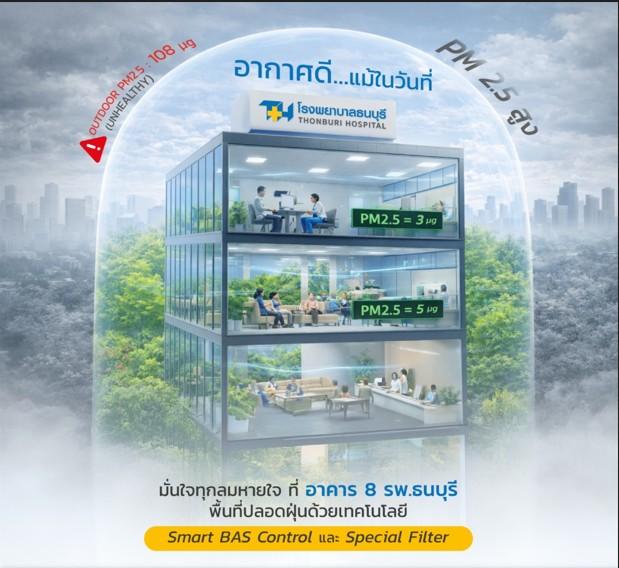
Medical Academic Development and Advancement of Clinical Excellence
International Endoscopic Spine Academy 2025
Thonburi Hospital organized the International Endoscopic Spine Academy 2025, in collaboration with the Department of Orthopaedic Surgery and Physical Medicine and Rehabilitation, Faculty of Medicine Siriraj Hospital, Mahidol University. The initiative aimed to enhance clinical knowledge and advance treatment standards in endoscopic spine surgery, aligning with international best practices and supporting continuous professional development for healthcare professionals.
The program was conducted at both Thonburi Hospital and Siriraj Hospital and featured comprehensive academic and clinical training activities, including case discussions, live surgical demonstrations showcasing advanced endoscopic spine surgery techniques, and hands-on cadaveric workshops under the supervision of experienced medical specialists. These activities provided participants with practical experience and advanced clinical knowledge.
The conference attracted over 80 spine specialists and healthcare professionals from Thailand and abroad, serving as an important platform for international knowledge exchange, clinical collaboration, and advancement of spine surgery techniques.
Business Impact : This initiative strengthened Thonburi Hospital’s position as a leading center of excellence in endoscopic spine surgery. It demonstrated the Hospital’s readiness in terms of medical expertise, advanced technology, and strong academic partnerships, particularly with Siriraj Hospital, one of Thailand’s leading medical institutions. The participation and recognition from international spine specialists reflect the Hospital’s capability to deliver healthcare services aligned with global clinical standards. This initiative contributes to enhancing clinical quality, strengthening stakeholder confidence, and supporting the Company’s long-term growth and leadership in advanced healthcare services.
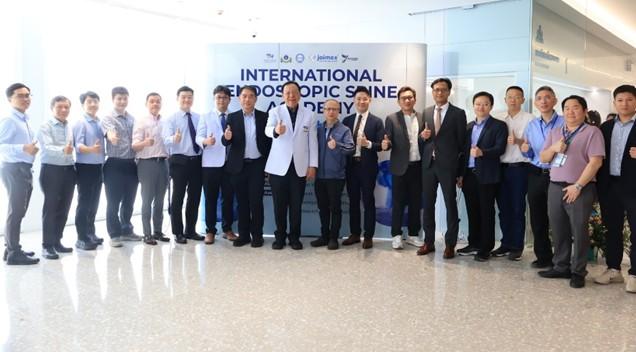
Advancing Healthcare Excellence through Precision Diagnosis and Advanced Medical Technologies.
Thonburi Hospital is committed to advancing clinical excellence through the adoption of innovative medical technologies that enhance diagnostic accuracy and treatment effectiveness. Guided by the principles of Precision Medicine, the Hospital integrates advanced diagnostic and therapeutic technologies to provide personalized and high-quality patient care.
Key technologies implemented include:
1. Fusion Biopsy Technology for Precision Prostate Cancer Diagnosis
The Hospital utilizes Fusion Biopsy technology, which combines Magnetic Resonance Imaging (MRI) with ultrasound imaging to accurately identify and target suspicious prostate tissue during biopsy procedures. This approach significantly improves diagnostic accuracy compared to conventional random biopsy methods, enabling earlier and more precise detection of prostate cancer.
2. Robotic-Assisted Surgery
The Hospital has implemented robotic-assisted surgical systems to enhance precision in complex surgical procedures. This technology allows surgeons to perform minimally invasive procedures with greater accuracy, resulting in smaller incisions, reduced pain, minimized tissue damage, and faster patient recovery, while maintaining full control under the supervision of highly trained surgeons.
3. Da Vinci Robotic Prostate Surgery Center
The Hospital has established a specialized robotic surgery center using the Da Vinci Surgical System for prostate cancer treatment. This advanced technology enables precise nerve preservation and improved functional outcomes, contributing to better post-operative quality of life for patients.
4. Smart Rehabilitation and Robotic Gait Training
The Hospital’s rehabilitation center utilizes robotic gait training technology to support recovery for patients with mobility impairments, including stroke, Parkinson’s disease, and neuromuscular conditions. This technology enhances rehabilitation effectiveness, promotes mobility recovery, and improves overall patient outcomes and quality of life.
The adoption of these advanced medical technologies demonstrates the Hospital’s commitment to clinical innovation, improved diagnostic precision, enhanced treatment outcomes, and alignment with international healthcare standards.
Enhancing Access to Advanced Cancer Treatment
Oncology and Radiation Therapy Center, Thonburi Trang Hospital
Thonburi Trang Hospital has established an Oncology and Radiation Therapy Center to enhance cancer care services and improve access to specialized medical treatment for patients in Trang Province and neighboring areas. The center enables patients to receive timely diagnosis and treatment, reducing waiting times and eliminating the need to travel to other provinces for specialized oncology care. This improves access to healthcare while reducing patient burden, travel costs, and associated risks.
The center is equipped with advanced radiation therapy technology using a Linear Accelerator (LINAC), representing the first installation of this technology in the lower Andaman region of Southern Thailand. The LINAC system delivers highly precise radiation therapy by accurately targeting cancerous tissues while minimizing exposure to surrounding healthy tissues. This precision reduces treatment-related side effects and improves overall treatment efficiency, with each radiation session requiring only a few minutes.
The establishment of the Oncology and Radiation Therapy Center demonstrates the Hospital’s commitment to improving clinical outcomes, expanding access to advanced medical technologies, and strengthening regional healthcare capabilities. This initiative supports equitable access to high-quality cancer care and contributes to the sustainable development of healthcare services in the region.
Digital Innovation for Smart Healthcare services : Thonburi Rajyindee Hospital
The Hospital is committed to leveraging digital technologies and innovation to enhance healthcare service delivery, improve operational efficiency, and elevate patient experience. These initiatives support the Company’s Smart Hospital strategy, focusing on delivering high-quality, safe, and sustainable healthcare services.
Key initiatives include:
1. CareMeal: Digital Inpatient Meal Management System
Thonburi Rajyindee Hospital developed the CareMeal system, enabling patients to select meals via QR Code linked to their room number, ensuring appropriate dietary management and improving patient convenience.
Key outcomes include:
Over 50% reduction in meal preparation time
Over 30% reduction in meal management and delivery time
Over 50% reduction in food waste and raw material losses
This system improves operational efficiency, resource utilization, and patient satisfaction.
2. Rajyindee Vision Board: Real-Time Patient Status Dashboard
The Vision Board system provides real-time patient status updates via Smart TV dashboards integrated with Hospital Information Systems (HIS), laboratory systems, and medication management systems. The system has been implemented across five key departments: Inpatient Department, Operating Room, Emergency Department, Inpatient Finance Department and Outpatient Department.
Key outcomes include:
Reduced patient discharge time
Improved staff productivity
Reduced patient inquiries
Enhanced coordination and operational efficiency
3. RYH Touch-for-Treat: Patient Communication Support Application
The Touch-for-Treat application was developed to support communication for patients with communication limitations, including ventilated patients, stroke patients, and international patients.
Key features include:
Visual and audio communication interface
Pain location and severity selection functions
Multilingual support including Thai, English, Chinese, and Malay
Key Outcome :This innovation improves patient communication, reduces anxiety, enhances treatment cooperation, and improves overall patient care quality.
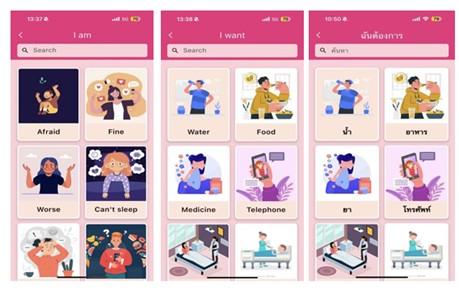
All three aforementioned initiatives of Thonburi Rajyindee Hospital reflect the hospital’s commitment to advancing healthcare innovation, with the aim of elevating service standards and creating long-term value for patients and stakeholders.
Prevention of Recurrent Stroke Program via Smartphone-Based Monitoring
Thonburi Thawiwatthana Hospital recognizes stroke prevention as a critical public health priority, particularly given that at least one in four stroke patients may experience a recurrent stroke within five years. A key contributing factor to recurrent stroke is poor adherence to lifestyle modifications and medical follow-up.
To address this challenge, the Brain and Neurological Center developed a digital patient monitoring system to enhance long-term stroke management and risk control.
In 2025, the hospital introduced an advanced smartphone-based monitoring platform that integrates data from the Hospital Information System (HIS) and presents individualized risk trends directly to patients. The system provides:
Real-time visualization of blood pressure trends
Monitoring of key laboratory values
Weight tracking with threshold alerts
Medication reminders
Appointment notifications
Personalized lifestyle and risk factor guidance
The program currently monitors 186 stroke patients under long-term follow-up (1–5 years). The recurrent stroke rate among monitored patients was 3.22%, significantly supporting improved risk control and preventive outcomes.
Key Outcome : This initiative demonstrates the hospital’s commitment to leveraging digital innovation to enhance patient engagement. The program contributes to improved quality of care, long-term health outcomes, and healthcare cost reduction.
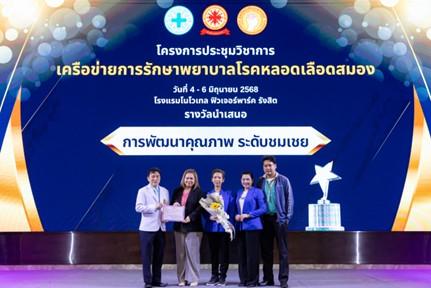
Community & Social — Overview
Introduction
Community and Social Contribution
The Company operates healthcare and hospital services, playing a vital role in improving public health and enhancing the quality of life in surrounding communities. Throughout its operations, the Company has contributed both directly and indirectly to community development through healthcare services, job creation, local economic support, and community engagement initiatives. No significant adverse impacts on surrounding communities have been identified.
Community & Social — Plan & Guidelines
Has a Community & Social Plan
Yes
Plan Description
1. Local Employment and Skills Development
The Company prioritizes local employment and workforce development as part of its commitment to supporting sustainable community development. Hospitals within the THG network actively recruit employees from surrounding communities to create local employment opportunities and contribute to regional economic growth.
During the reporting year, approximately 70% of employees at THG’s provincial hospitals were recruited from the same province or nearby areas, demonstrating the Company’s strong commitment to supporting local employment.
The Company has established recruitment guidelines requiring the Human Resources function to prioritize qualified local candidates during the hiring process. This approach supports local workforce participation, reduces labor migration, and strengthens local economic resilience.
2. Education Support and Healthcare Workforce Development
The Company is committed to supporting education and workforce development to create career opportunities for youth and recent graduates, improve community well-being, and strengthen the healthcare workforce sustainably.
The Company provides scholarships to financially disadvantaged students pursuing healthcare-related degrees, including nursing and pharmacy, to support access to education and help develop qualified healthcare professionals. Year 2025 : Number of scholarship recipients 28 person. The amount is 701,000 baht.
In addition, the Company conducts annual internship programs for nursing assistants and healthcare students, providing hands-on clinical training opportunities within its hospital network. These programs are conducted in collaboration with leading academic institutions, including the Faculty of Nursing, Siam University. High-performing interns are considered for full-time employment opportunities within the Company.
The Company also implements a Student Internship Program, offering students practical work experience and skill development opportunities to support their transition into professional careers. This program plays a key role in building a sustainable healthcare talent pipeline. Year 2025 :
Each year, a significant number of students participate in internship programs. The Company monitors internship outcomes and provides employment opportunities to qualified participants, supporting long-term healthcare workforce sustainability.
Year 2025 : Number of students participants 16 Person.
Number of employment qualified participants 3 Person.
3. Community Health, Safety, and Well-being
The Company is committed to promoting health, safety, and quality of life within surrounding communities by leveraging its core strengths, including medical expertise, healthcare professionals, medical technologies, and healthcare infrastructure, to address community health needs effectively.
The Company’s community investment approach aligns with its core business strategy, focusing on preventive healthcare and improving access to quality medical services. Community initiatives include health promotion programs, preventive health screenings, health education, and medical consultations delivered through structured outreach programs.
These initiatives contribute to improving community health outcomes, promoting preventive healthcare behaviors, and enhancing overall quality of life. They also help strengthen trust and relationships between the Company and local communities.
4. Stakeholder Engagement
4.1 Community Impact Assessment and Engagement
The Company conducts regular community engagement and feedback collection, particularly in provincial areas where hospitals operate in close proximity to local communities. Regional business units actively gather feedback regarding potential operational impacts, including environmental concerns, traffic management, resource utilization, and community coexistence.
Feedback collected is systematically analyzed and used to improve operational practices, implement preventive measures, and strengthen communication with local communities. These efforts help mitigate potential impacts and build long-term trust and positive relationships with community stakeholders.
4.2 Promoting a Culture of Corporate Social Responsibility
The Company promotes a strong culture of social responsibility by encouraging employees to participate in volunteer activities and community programs in collaboration with charitable organizations, government agencies, educational institutions, and local communities.
The Company recognizes employee volunteerism as an important component of sustainable social development and provides support through initiatives such as:
Recognizing volunteer activities as part of working time
Providing awards and recognition for employee volunteer contributions
Promoting volunteer activities through internal communication channels
5. Donations
The Company recognizes its responsibility as a healthcare provider to contribute positively to society. Donations and community investment are integral parts of its social contribution strategy.
Donations include cash contributions, medical supplies, essential goods, and other resources provided to legally registered non-profit organizations, foundations, healthcare institutions, educational institutions, and community organizations.
In 2025, the Company and its subsidiaries contributed a total of THB 1,610,721 million in donations and community investment to registered non-profit and community organizations.
Plan Areas
| Plan Area | Other — Please Specify |
|---|---|
| Employment and professional skill development | |
| Education | |
| Occupational health, safety, health, and quality of life | |
| Others | Stakeholder Engagement / Donations |
Community & Social — Targets
Has Set Community & Social Targets
Yes
Targets
| Indicator | Target Areas | Target Year | Target Year — Description |
|---|---|---|---|
| - Number of projects that help improve the quality of life of people in the community. - Number of people who benefited from health programs. | 3041 · Description: Occupational health, safety, health, and quality of life · 3042 · Description: Disadvantaged and vulnerable groups · 3044 · Description: Reducing inequality | 2,026 | - Number of projects that help improve the quality of life of people in the community is at least 4 projects per year and continuously increasing.
- Number of beneficiaries has been steadily increasing. |
Community & Social — Performance & Outcomes
Has Performance Results
Yes
Performance Description
Community Health and Safety
1.Basic Life Support (BLS), CPR, and AED Training Programs
The Company is committed to improving community health and safety by providing Basic Life Support (BLS), Cardiopulmonary Resuscitation (CPR), and AED training programs. These initiatives aim to strengthen emergency preparedness and enhance survival outcomes in emergency situations.
In 2025, three hospitals within the THG network implemented CPR training programs as follow:
Thonburi Hospital conducted Basic Life Support (BLS) and Cardiopulmonary Resuscitation (CPR) training programs for teachers and students in four nearby schools: Wat Dongmunlek School, Wat Yang School, Wat Prayatam School, and Wat Somanus School. The training was delivered by qualified medical professionals to ensure accurate and practical knowledge transfer in accordance with medical standards. A total of over 330 participants successfully completed the training
Thonburi Bamrungmuang Hospital conducted CPR training programs for nearby educational institutions, including Debsirin School, Wat Somanus School, and Saipanya School, benefiting 285 teachers and students. In addition, CPR training was provided to employees from three corporate client organizations, benefiting 103 participants. Total participants: 388 persons
Thonburi Trang Hospital conducted CPR and AED training programs for 14 organizations, including industrial factories, schools, private companies, and corporate health screening clients. A total of 725 participants completed the training, enhancing their ability to respond effectively to emergency situations.
Overall Impact
In 2025, CPR and emergency response training programs conducted by THG hospitals achieved the following outcomes:
Total participants trained: 1,443 persons
Total organizations reached: at least 18 organizations
Target groups: schools, industrial facilities, corporate organizations, and community members
These initiatives enhance community emergency preparedness, strengthen workplace and school safety, and demonstrate the Company’s commitment to improving community well-being through healthcare expertise.
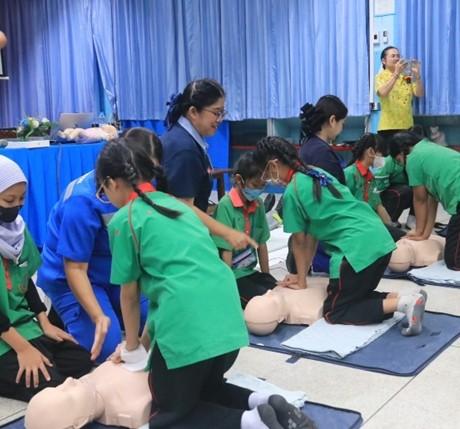
2. Occupational Health and Workplace Safety Promotion Program
Thonburi Thungsong Hospital participated in the Occupational Safety and Health Day organized in collaboration with Siam Cement (Thungsong) Co., Ltd. The hospital provided knowledge and training on occupational disease prevention, hygiene promotion, and workplace safety awareness.
Number of beneficiaries: 210 persons
This initiative contributed to fostering a safer working environment and reducing occupational health risks among employees and contractors.
3. Mobile Medical Unit Program to Enhance Access to Healthcare
Thonburi Hospital deployed a mobile medical unit to provide proactive health screening services to monks at four temples, covering a total of 23 monks. The program aimed to enhance access to basic health screening services, reduce disease risks, and promote preventive healthcare among groups with limited access to medical services.
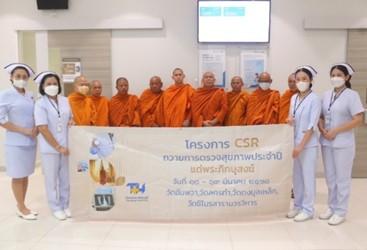
4. Influenza Vaccination Support Program for Community Immunity
Thonburi Hospital collaborated with government agencies and social networks to support influenza vaccination programs. Medical personnel were deployed to provide vaccination services directly to community members and target groups.
Number of beneficiaries: 550 persons
The program helped reduce the risk of disease outbreaks and strengthened preventive public health measures at the community level.
Social Impact and Outcomes
In 2025, the Company’s community health and safety initiatives generated measurable positive social impact as follows:
Total beneficiaries: 2,226 persons
Target groups included students, teachers, company employees, workers, the general public, and monks
Enhanced community capacity to respond to emergency situations
Strengthened disease prevention and reduced health risks
Improved access to healthcare services for vulnerable groups
These initiatives reflect the Company’s role as a socially responsible healthcare provider, committed to leveraging its expertise and resources to improve quality of life and contribute to the development of a resilient and sustainable healthcare system.
Improving Access to Healthcare
Community EKG Screening Initiative
In 2025, Thonburi Trang Hospital conducted a free community Electrocardiogram (EKG) screening program to improve equitable access to cardiovascular risk detection services, particularly among elderly individuals and residents in remote areas.
The program, implemented in collaboration with local authorities, screened 450 individuals across four sub-districts and two local organizations. Screening results identified 67 high-risk individuals (14.8%), who were promptly referred for further medical evaluation and treatment.
This early detection initiative reduced the risk of severe cardiovascular complications and long-term dependency among vulnerable populations. The program was supported by 10 volunteer medical professionals, reinforcing the hospital’s commitment to preventive healthcare and community partnership.
The initiative demonstrates the Company’s proactive role in strengthening local healthcare systems and expanding access to essential medical services.
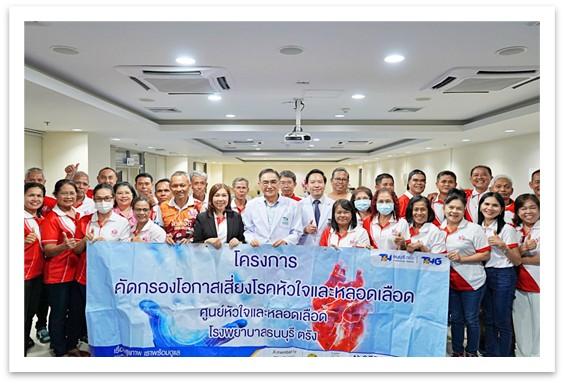
Supporting Vulnerable and Underserved Groups
The Company is committed to reducing social inequality and improving access to healthcare and essential medical resources for vulnerable and underserved populations, including low-income patients and persons with disabilities. The Company collaborates with government agencies, non-governmental organizations, and community partners to support inclusive healthcare access and improve quality of life.
1.Medical Equipment Support Program for Underserved Patients
Thonburi Hospital and Thonburi Thawiwattana in partnership with the Mirror Foundation, donated and supported 23 oxygen concentrators to be loaned to underserved patients requiring respiratory support. This initiative enhances access to essential medical equipment and improves quality of life for vulnerable patients.
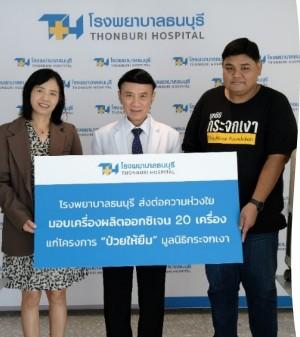
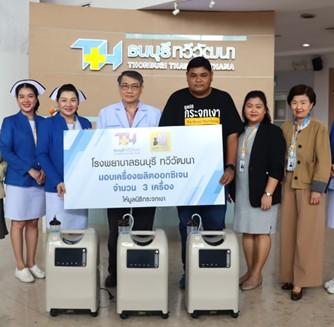
2. Social Inclusion and Quality of Life Program for Persons with Disabilities
Thonburi Hospital collaborated with public sector and community partners to support recreational and social development activities for 63 participants include visually impaired , disabled youth and their guardians, while providing medical support and supervision to ensure participant safety.
These initiatives reflect the Company’s commitment to inclusive healthcare and sustainable social development.
3. Improving Access to Healthcare Services
Thonburi Burana Hospital launched the “Giving Back to Society” program to improve access to quality physiotherapy services at an affordable price.
The program offered physiotherapy treatment at a special rate of THB 59 to reduce financial barriers and improve accessibility, particularly for working-age individuals and elderly patients. Total beneficiaries: 58 persons
This initiative enhances healthcare accessibility, reduces inequality, and supports long-term health outcomes.
Health Education and Youth Development
The Company is committed to promoting health education and youth development through medical outreach programs in schools.
Thonburi Bamrungmuang Hospital conducted the “Doctor’s Talk: LGBTQ & All Genders – Safe and Responsible Sexual Health Awareness” program for students at Debsirin School. The program was delivered by a psychiatrist specializing in adolescent mental health and covered topics including safe sexual health practices, self-esteem, and mental well-being.
The program included educational sessions, mental health screening using the 2Q Plus assessment tool, and interactive activities to promote understanding and inclusivity. Total participants: 250 students
This initiative enhances youth health awareness and supports long-term preventive healthcare outcomes.
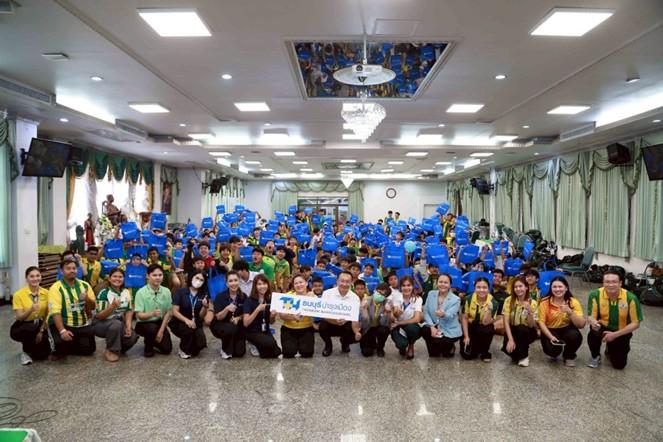
Health Education and Prevention
Healthy Station Program
Thonburi Thungsong Hospital launched the “Healthy Station” program to improve community access to reliable health information, particularly among elderly and vulnerable populations who rely on local radio as a primary source of information.
The program is broadcast via local radio stations and live-streamed through MCOT Nakhon Si Thammarat’s online platform. Health content is verified by the hospital’s medical professionals and covers key topics such as disease prevention, nutrition, mental health, first aid, and preventive health screening.
Target reach: Over 150,000 people annually
This initiative enhances public health awareness, promotes disease prevention, and strengthens community engagement.
Environmental Education and Sustainability Capacity Building
Thonburi Thawiwatthana Hospital has implemented systematic waste management practices, achieving a 50% reduction in non-hazardous waste sent to landfill.
The hospital serves as a sustainability learning site, sharing best practices in waste management and environmental sustainability with external organizations.
In 2025, the hospital hosted knowledge-sharing programs for:
5 organizations
Total participants: 140 persons
The programs included environmental management training and hospital risk management education.
This initiative strengthens environmental awareness, enhances sustainability capacity, and supports sustainable healthcare practices.
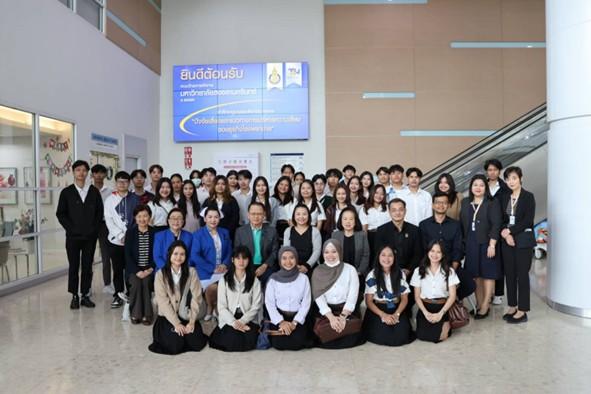
Stakeholder Engagement and Community Feedback
The Company places strong emphasis on stakeholder engagement, particularly with surrounding communities, to understand concerns and improve operational practices.
Thonburi Trang Hospital conducted a community survey covering 30 households within a 1-kilometer radius of the hospital to assess environmental impacts, including odor, noise, dust, waste management, and pest control.
Based on feedback received, the hospital implemented improvement measures, including:
Enhancing waste transportation coordination
Implementing dust control measures
Strengthening pest control programs
Communicating construction schedules in advance
These actions improved community satisfaction and strengthened trust between the hospital and the community.
Community Engagement and Volunteerism
Thonburi Thawiwatthana Hospital organized the “Healthy Heroes: Sharing for Better Health” volunteer program at Bantantawan Children’s Foundation to support vulnerable children and improve access to healthcare services.
Total volunteers: 20 staff
Key activities included:
Financial donation of THB 10,000
Donation of essential supplies and food
Health screening for 150 children
CPR and AED training
Waste segregation and hygiene education
This initiative enhanced access to healthcare, improved health awareness, and strengthened community relationships.
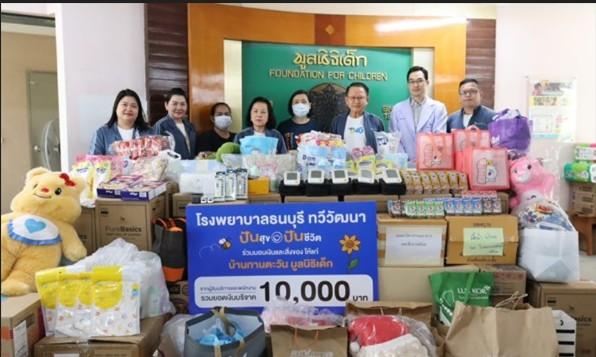
Donation Drive
Thonburi Hospital presents a donation from the Red Cross Concert to the Bangkok Naval Base.
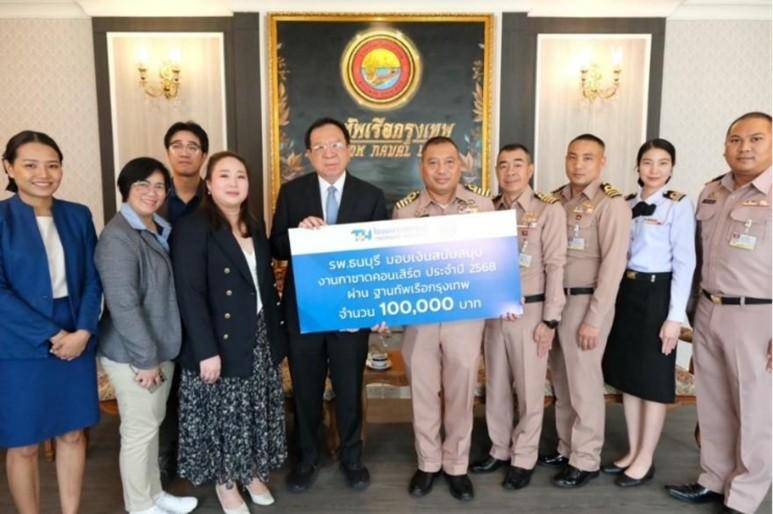
Thonburi Thawiwatthana Hospital Passing on Encouragement Supporting Families Affected by the Border Conflict
Medical Support & Relief Supplies Donation Project
Thonburi Sermrat Co., Ltd., in collaboration with Thonburi Thawiwatthana Hospital, implemented an emergency humanitarian assistance program to provide essential medical equipment and necessary supplies to displaced individuals residing in temporary shelters across four border districts.
The initiative aimed to improve hygiene standards, health conditions, and overall well-being among affected communities in emergency situations. Medical supplies and essential items were delivered promptly to evacuation centers to support basic healthcare needs and enhance sanitary conditions.
This program contributed to alleviating immediate hardship and strengthening public health safeguards within temporary shelters. It reflects the Company’s commitment to rapid response in times of crisis and its role in supporting vulnerable populations during humanitarian emergencies
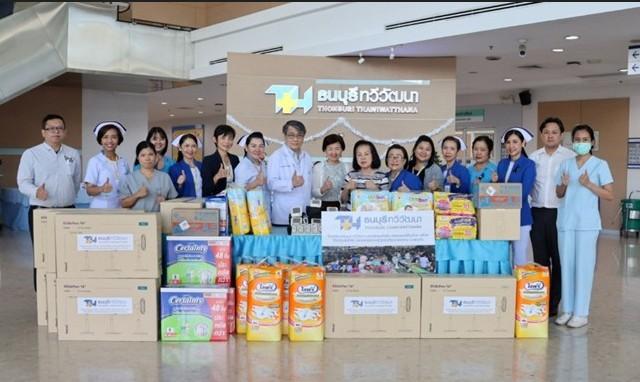
Law Violation Incidents
Introduction
The Company maintains strong governance and compliance systems to protect human rights, employee safety, and stakeholder interests. In 2025, no significant violations were reported
Law Violation Incidents
| Metric | Current Year | Previous Year | Two Years Ago |
|---|---|---|---|
| The total number of cases or incidents of significant violations of laws or regulations regarding social and human rights (Cases) | 0 | 0 | 0 |
| The total number of cases or incidents that cause significant labor disputes (Cases) | 0 | 0 | 0 |
| The total number of cases or complaints related to consumer rights violations (Cases) | 0 | 0 | 0 |
| The total number of cases or complaints related to partner rights violations (Cases) | 0 | 0 | 0 |
| The total number of cases or incidents that cause disputes with the community/society (Cases) | 0 | 0 | 0 |
| The total number of cases or incidents related to cyber security or customer data breaches (Cases) | 0 | 0 | 0 |
| The total number of cases or incidents related to safety and occupational health at work (Cases) | 0 | 0 | 0 |